Why facial care tools are becoming as important as the products themselves
In facial care, the cleanser, serum, and cream usually get the attention. But in practice, the tool that touches the skin can shape the whole result. A cosmetic applicator that blends makeup cleanly can make foundation sit more evenly, soften the look of concealer, and reduce the heavy, patchy finish that frustrates both consumers and makeup artists. That is why a compact beauty sponge or blending tool, especially one designed for daily use and easy storage, deserves a closer look.
The rose-shaped applicator format described here sits at the intersection of facial care and makeup presentation. It is not only about how it applies product, but also how it is stored, displayed, and carried. For sourcing teams, that means evaluating more than appearance. A buyer has to think about shape retention, packaging durability, shelf appeal, and whether the item suits retail gifting or travel-friendly sets. Those details matter because they affect both consumer satisfaction and return rates.
What the rose-shaped applicator is trying to solve
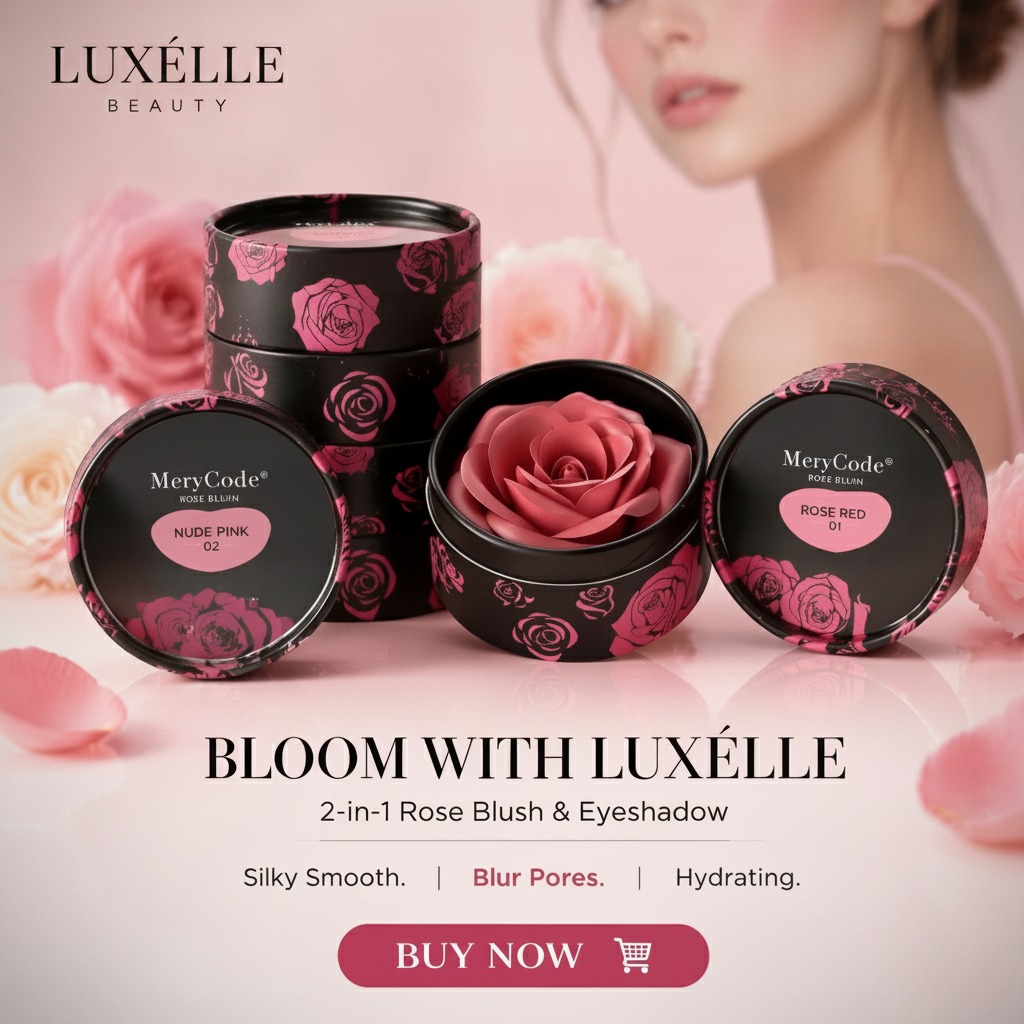
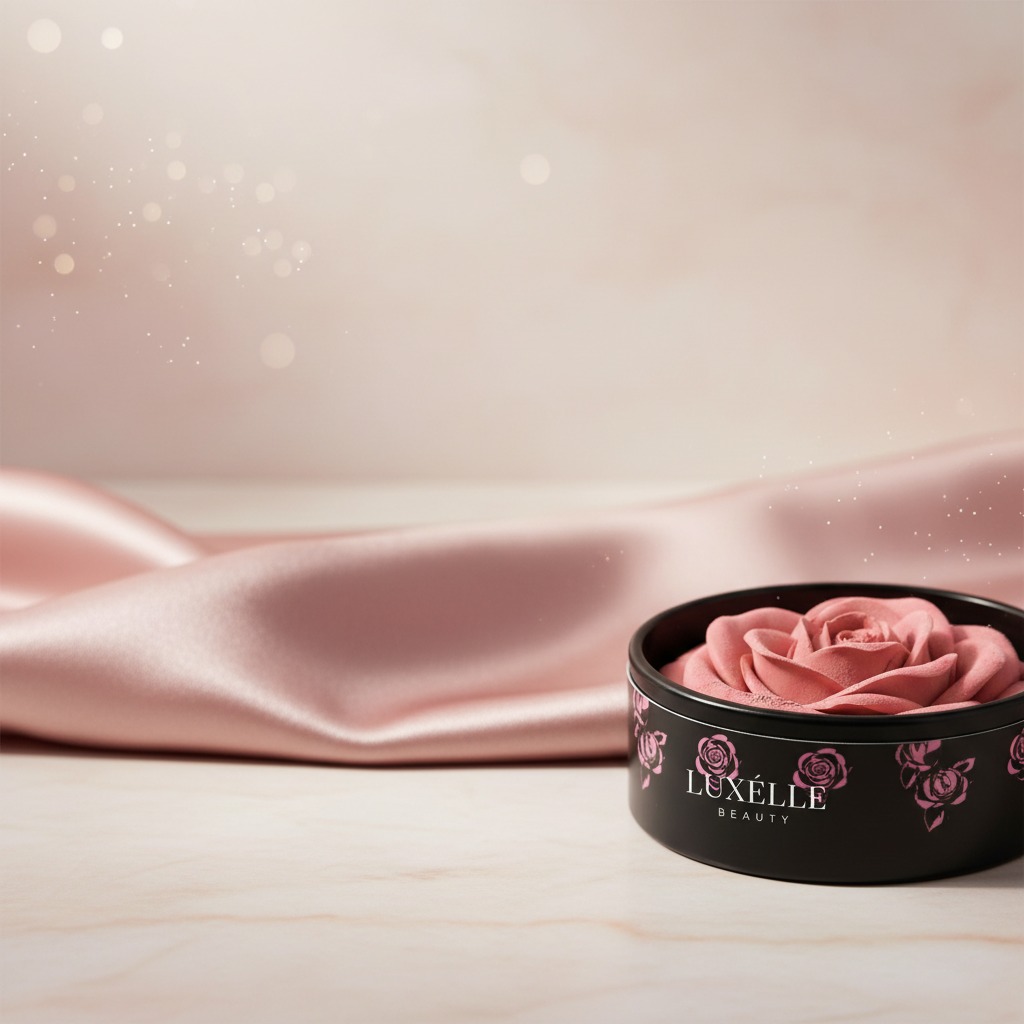
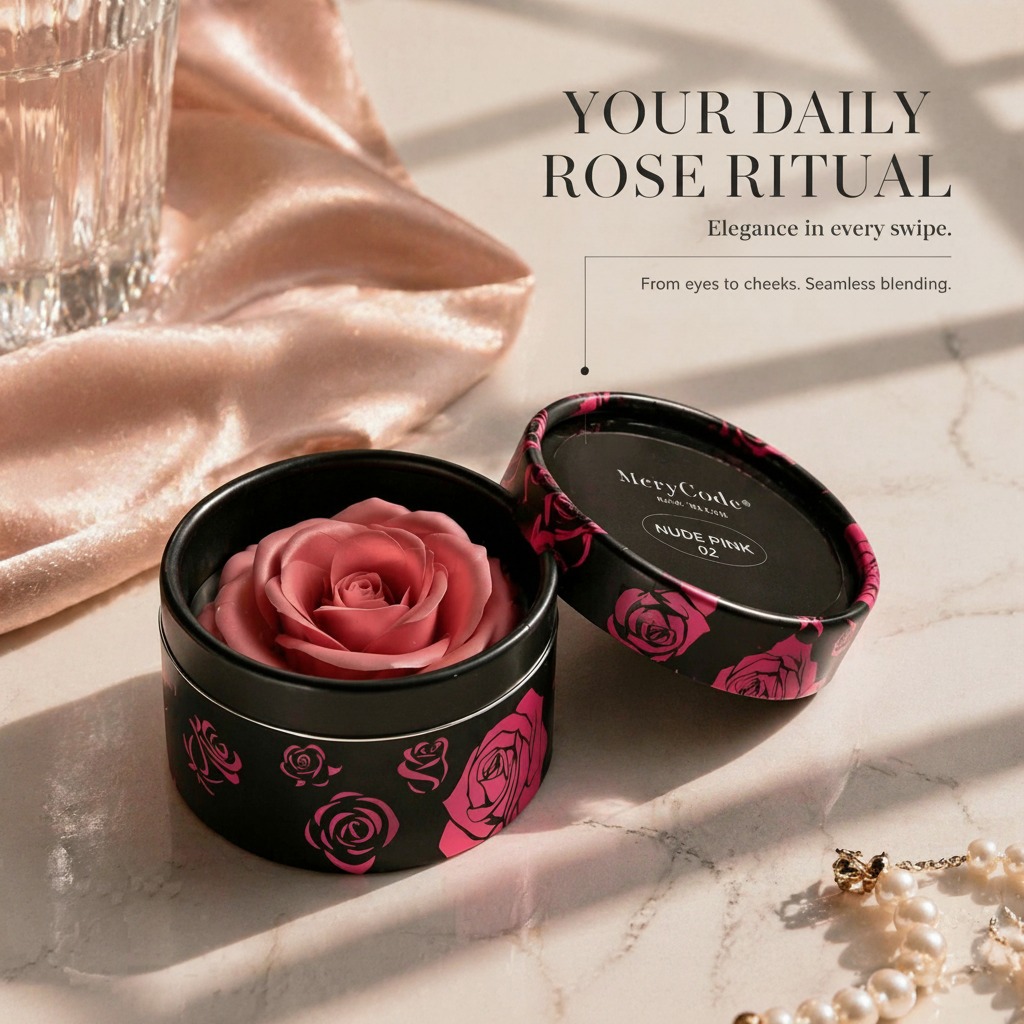
Many face makeup tools are functional but forgettable. This one takes a different approach. The molded pink rose form gives the applicator a decorative identity, while the round matte black tin creates a clean, premium presentation. The printed message “Seamless blending” signals the main user benefit: a smoother makeup finish from eyes to cheeks.
That matters in facial care because the market increasingly expects multi-use products. A customer may want one tool for foundation, another for concealer, and something compact enough to fit in a vanity drawer or travel pouch. A rose-shaped sponge or puff can serve as a daily blending tool and a giftable accessory at the same time. For brands, that kind of dual purpose is useful. It helps a simple cosmetic item feel more considered without needing complicated mechanics.
Quick read on the design and packaging
The visible structure is straightforward: a separate lid and base container, likely a cylindrical tin with a matte black finish, and a centered pink rose-form insert. The top label reads “MeryCode” and “NUDE PINK 02,” which suggests a product line with color variants. The packaging also uses rose graphics, reinforcing the floral shape inside.
From a sourcing perspective, that combination suggests two manufacturing questions. First, how is the foam or sponge body formed to keep its layered petal shape? Second, how is the tin printed and finished so it looks crisp on shelf and survives handling? Neither question is trivial. A decorative cosmetic accessory can lose its appeal quickly if the lid dents, the print scuffs, or the insert shifts around during transit.
Why buyers should care about the material and structure
For facial care accessories, material behavior drives real-world use. A soft blending tool needs enough resilience to apply makeup evenly, but not so much firmness that it drags across delicate skin. The rose geometry may also create different contact points across the face, which can help users work around the nose, under the eyes, and across the cheeks. That said, shape alone does not guarantee good performance. The underlying foam quality, cut precision, and surface finish still matter more than the novelty silhouette.
Buyers should also watch for a common trap: decorative packaging that looks ready for retail but is awkward for repeated use. A closed tin is attractive for storage and gifting, yet if opening and resealing feel clumsy, the product may end up sitting in a drawer. In facial care, convenience is not a small thing; it affects how often a customer uses the product and whether the brand feels practical or merely pretty.
How to evaluate a cosmetic applicator like this one
1. Check the user job first
Is the tool meant mainly for blending foundation, concealer, or general face makeup? The printed claim “From eyes to cheeks. Seamless blending.” points toward broad facial use, but sourcing teams should confirm the intended application area before committing to artwork or packaging copy.
2. Inspect the presentation value
The round tin, rose graphics, and branded top label make this suitable for retail display or beauty gift sets. If the product is aimed at seasonal promotions or impulse purchase racks, the visual language is doing real work.
3. Look at storage and portability
A closed container is useful for travel and for keeping a cosmetic sponge clean between uses. But the fit of the lid and base should be tested carefully. Decorative packaging often looks better in photos than on a busy shelf or in a handbag.
4. Confirm what is actually inside
The image suggests a molded soft applicator, but a prudent buyer would still confirm whether it is foam, sponge, puff, or another construction. That distinction affects washability, lifespan, and customer expectations.
Common buying mistakes in facial care accessories
One frequent mistake is overvaluing novelty and undervaluing handling. A rose shape can attract attention, but if the surface is too delicate or the packaging too fragile, the product becomes a display piece instead of a working tool. Another is assuming all soft applicators perform similarly. They do not. Density, rebound, and edge shape change how product deposits on skin, especially in detailed areas like the under-eye and cheekbone.
There is also a branding risk. If a product line uses a luxury-looking tin but ships with inconsistent inserts or loose-fitting lids, the shelf story collapses fast. In facial care, customers notice this kind of mismatch immediately, even if they do not describe it that way.
Practical buyer advice
If you are sourcing a product in this category, ask for samples, examine the packaging closure, and test how the applicator handles light, repeated use. If it is intended for retail, check how it photographs from the top, side, and open-lid view, because packaging and product shape are doing much of the selling here.
For brands, the rose-shaped format is a reminder that functional facial care accessories can still carry a strong visual signature. The best version of this product is not just cute. It is compact, clear in purpose, and easy for customers to keep in sight and in use.
What to ask before placing an order
Before ordering, confirm the exact material composition, the size, the packaging finish, and whether the product is meant for makeup blending, display, or gifting. If the supplier can share samples and packaging details, that is the point where a buying decision becomes much easier. A well-made applicator in a thoughtful tin can do more for daily facial care than a shelf full of forgettable accessories.