Why compact finishing powders still matter in modern cosmetics
Beauty products move fast, but the humble face powder compact has not gone away. If anything, it has become more specific in what buyers expect from it: shine control, tone correction, a neat on-the-go format, and a package that looks good on a retail shelf as well as in a handbag. For sourcing managers and product teams, the real decision is not whether a compact powder sells. It does. The question is how to judge the format, the finish, and the manufacturing details that separate a dependable SKU from a fragile one.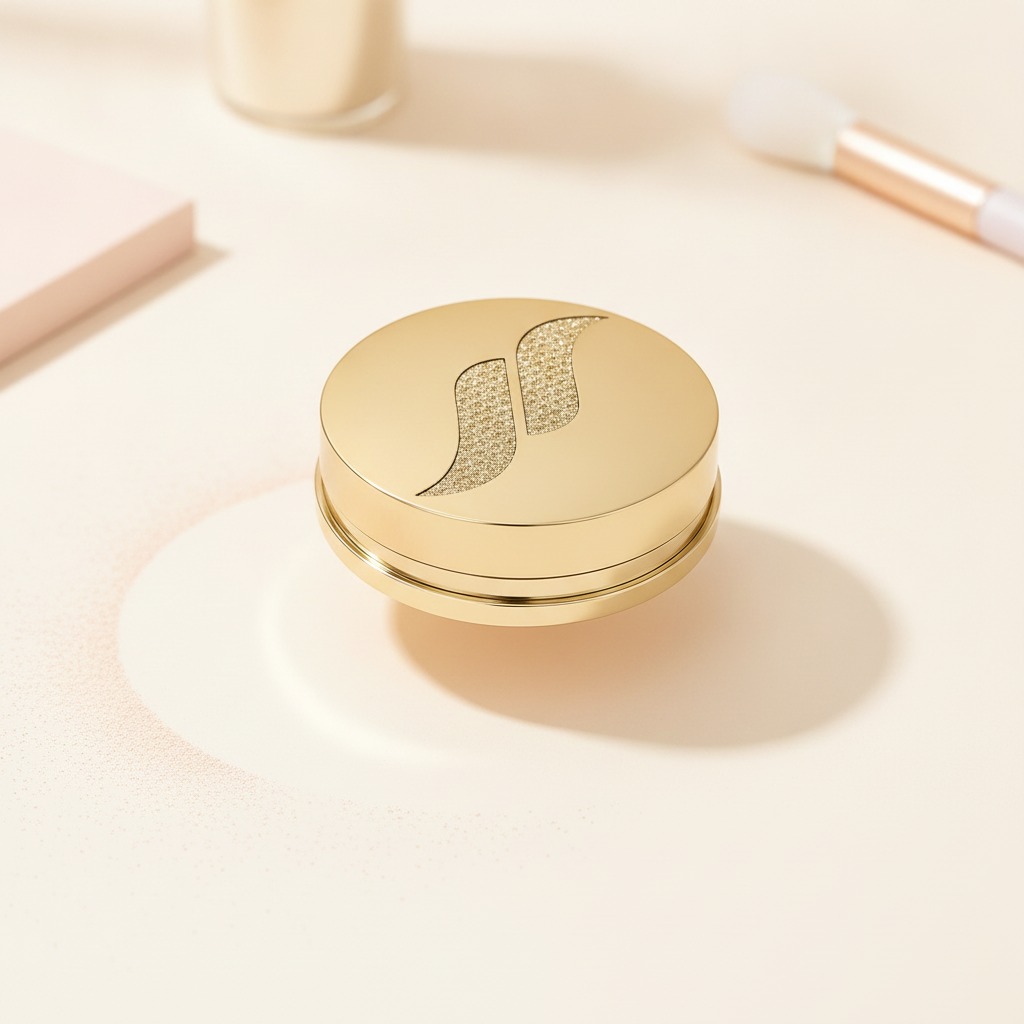
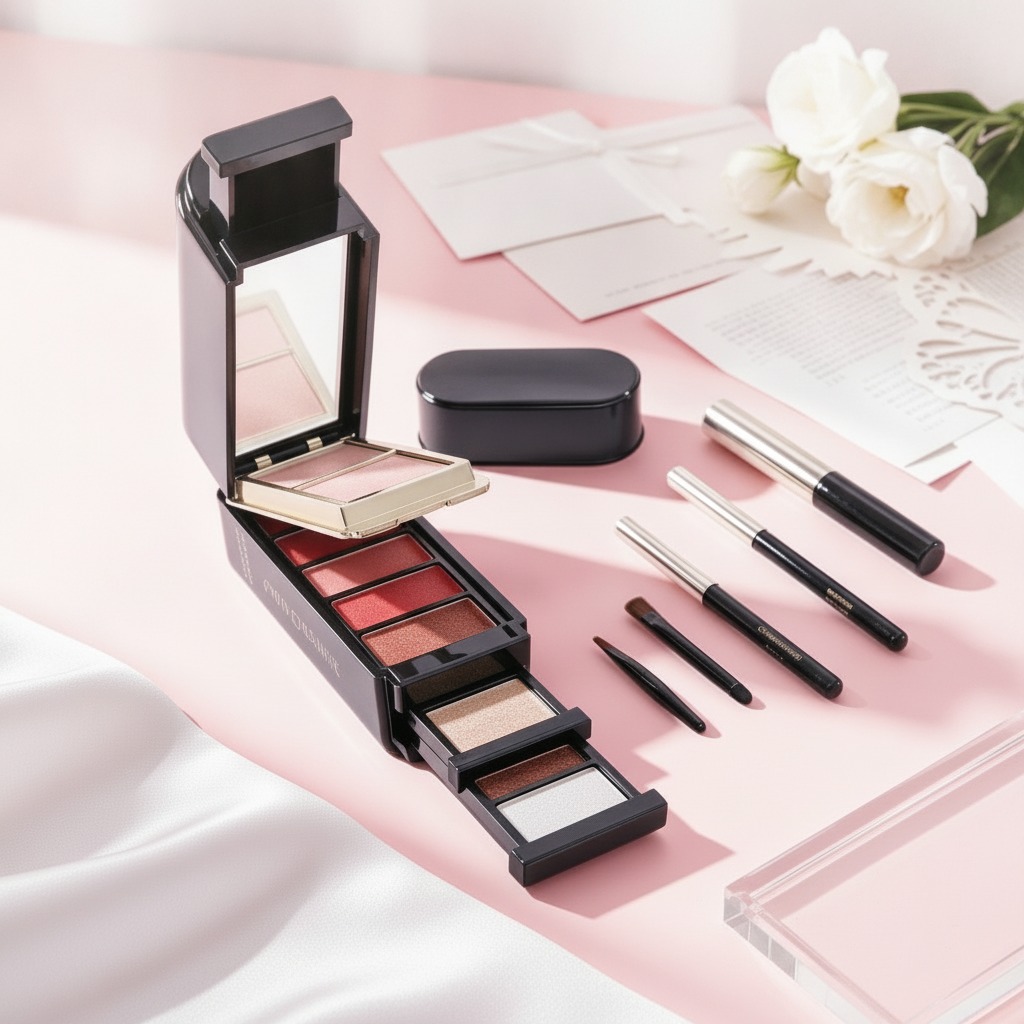
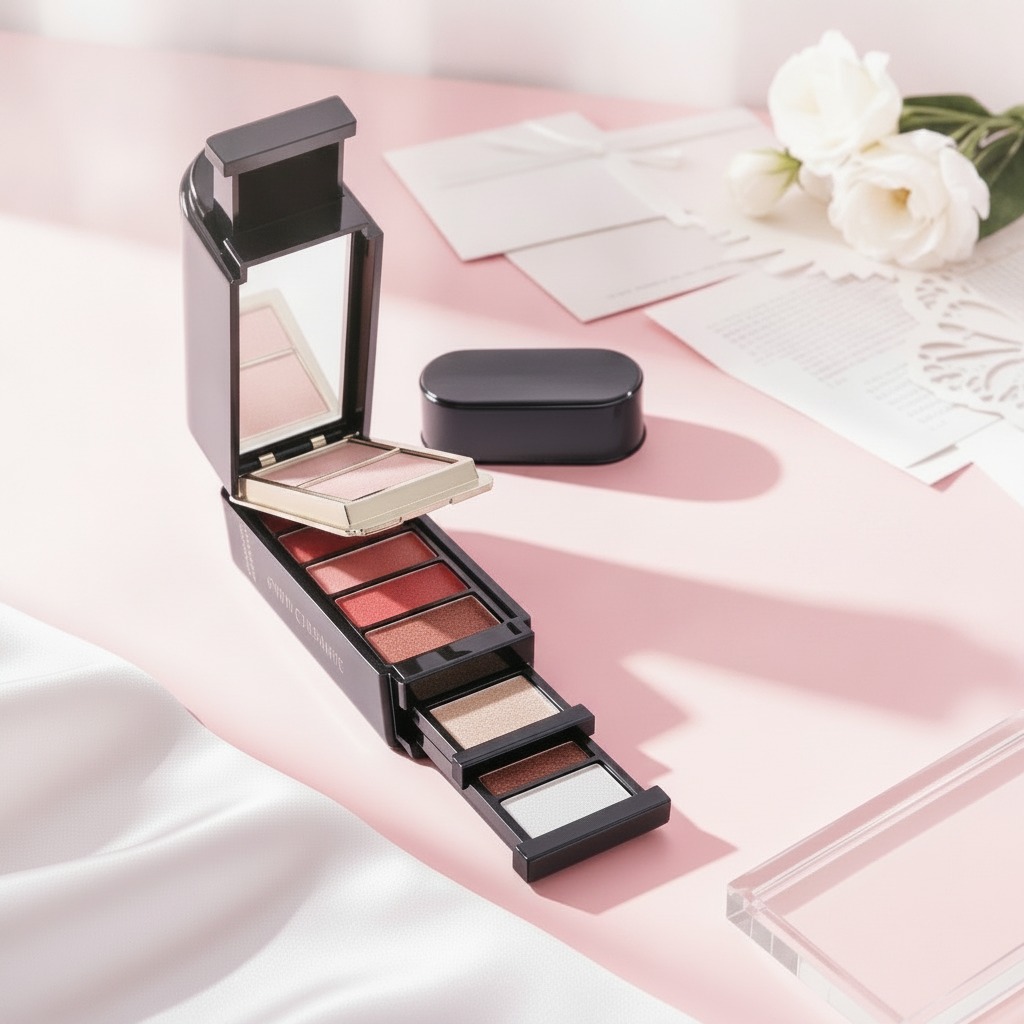
A recent compact design with a gold-toned case and a multicolor marbled powder surface is a good example. It suggests a setting or color-correcting powder positioned for makeup finishing, locking in foundation, and managing oil through the day. That kind of product sits at the intersection of formulation, filling, and packaging, so both cosmetic performance and packaging quality matter.
What buyers are actually buying
At the shelf level, the promise is simple: a face powder that keeps makeup looking fresher for longer. The claims commonly shown on this type of product include long-lasting matte finish, color correction, lock makeup, and oil control across the day. Those phrases are marketing claims, of course, and they should be treated as claims until supported by testing or documented product data.
Still, they tell you something useful about positioning. This is not a sheer glow powder or a decorative blush. It is meant to reduce shine, blur uneven tone, and help foundation hold together under normal wear. For oily skin or mixed skin, that can be the difference between a product that gets used once and one that ends up in a daily routine.
Compact powder formats: what changes the buying decision
Not every powder compact is built the same, even when the category looks similar from a distance.
Pressed powder compacts
Pressed formats are tidy, travel-friendly, and easier for consumers to use without mess. They also place more pressure on manufacturing control: compaction strength, surface smoothness, breakage resistance, and fill consistency all affect the final consumer experience. A pressed powder that crumbles in transit becomes a returns problem quickly.
Loose powder in compact form
Some products are closer to compacted loose powder than a traditional pressed cake. That can give a softer pickup and a different feel on skin, but it adds complexity in filling and may change how the powder behaves inside the pan over time. If the product is intended for touch-ups, the applicator and closure become especially important.
Packaging details that quietly decide retail success
The gold-toned round compact case in this product is doing more than holding powder. In beauty products, the package is part of the product promise. A reflective finish and embossed lid can signal premium positioning, while a fitted lid suggests practical portability. The included white puff with a branded ribbon band also matters; it tells the consumer the product is meant for direct use, not just vanity display.
That said, packaging can also be the weak point. Buyers should ask whether the case is metal or coated plastic, how the hinge performs after repeated opening, and whether the closure stays secure in shipping. Those are ordinary questions, but they save money later.
What to check before approving a powder compact SKU
A good buyer review usually starts with five points:
1. Does the powder actually match the intended use: setting, color correction, or shine control?
2. Is the finish consistent across pans and production lots?
3. Does the compact survive transit, retail handling, and repeated consumer use?
4. Is the puff or applicator useful, or just decorative?
5. Are the performance claims supported by testing, or are they purely marketing language?
For the specific product shown here, the multicolor marbled surface suggests a color-correcting approach. That can be attractive to consumers, but it also means the filling process must preserve the pattern without smearing it into a muddy beige. Small visual defects in marbled powder are noticeable immediately, which makes quality control more important than some brands expect.
Common mistakes in powder compact sourcing
A frequent mistake is treating all face powders as interchangeable. They are not. A setting powder, a color-correcting powder, and an oil-control powder may share similar packaging but behave differently in production and on skin. Another mistake is underestimating packaging fit: a compact that looks elegant in photos may be awkward in hand or prone to scratched surfaces after distribution.
There is also the problem of overpromising. Terms like “still flawless” or “zero shine” may be compelling in retail graphics, but they can create compliance and reputation issues if the formula does not back them up. Better to align claims with realistic consumer outcomes than to chase dramatic wording that invites complaints.
Practical advice for sourcing and product teams
If you are evaluating beauty products in this category, ask for samples that reflect real packing conditions, not just display units. Review the finish under strong light, inspect the powder surface for cracks or oiling out, and check how the puff sits inside the case. If the compact is meant for retail, pay close attention to the lid logo area as well; embossing and surface finish are often the first places where a low-cost tool shows itself.
For brands developing a new SKU, this format can work well as a mid-market or premium item because it combines utility with visual appeal. But the formula, filling method, and packaging spec need to be aligned from the beginning. A beautiful compact with a fragile cake is still a weak product.
FAQ
Is this product a pressed powder or a loose powder?
The visible structure suggests a compacted powder, but the exact type cannot be confirmed from appearance alone.
What skin type is it best suited for?
Based on the claims shown, it appears aimed at oily skin or anyone needing touch-ups and shine control.
Can the performance claims be taken as verified?
No. They are marketing claims displayed in the graphic and should be validated with proper testing before being used in technical or regulatory materials.
Next step for buyers
If you are sourcing or developing a compact powder product, start by separating the visual concept from the technical spec. The concept may be simple, but the details are not. Request samples, review closure quality, confirm filling performance, and make sure the claim language fits the formula rather than running ahead of it. That is usually where good beauty products become reliable sell-through items.