Why a starter beauty kit is more than a small makeup set
A starter beauty kit sounds simple enough, but in practice it is often the first place a buyer, brand manager, or product team sees whether a cosmetic line is built for real use or just for shelf appeal. For new consumers, it should answer a basic question: what products do I actually need to look polished without overbuying? For brands and sourcing teams, it raises a different one: which items earn a place in a compact, entry-level assortment without making the kit feel cheap or incomplete?
That balance matters. A starter set has to be easy to understand, quick to use, and forgiving for beginners. It also needs enough visual payoff to justify the purchase. In other words, the kit has to work harder than a single prestige item. If one part is awkward, messy, or overly complicated, the whole package loses value.
What belongs in a starter beauty kit
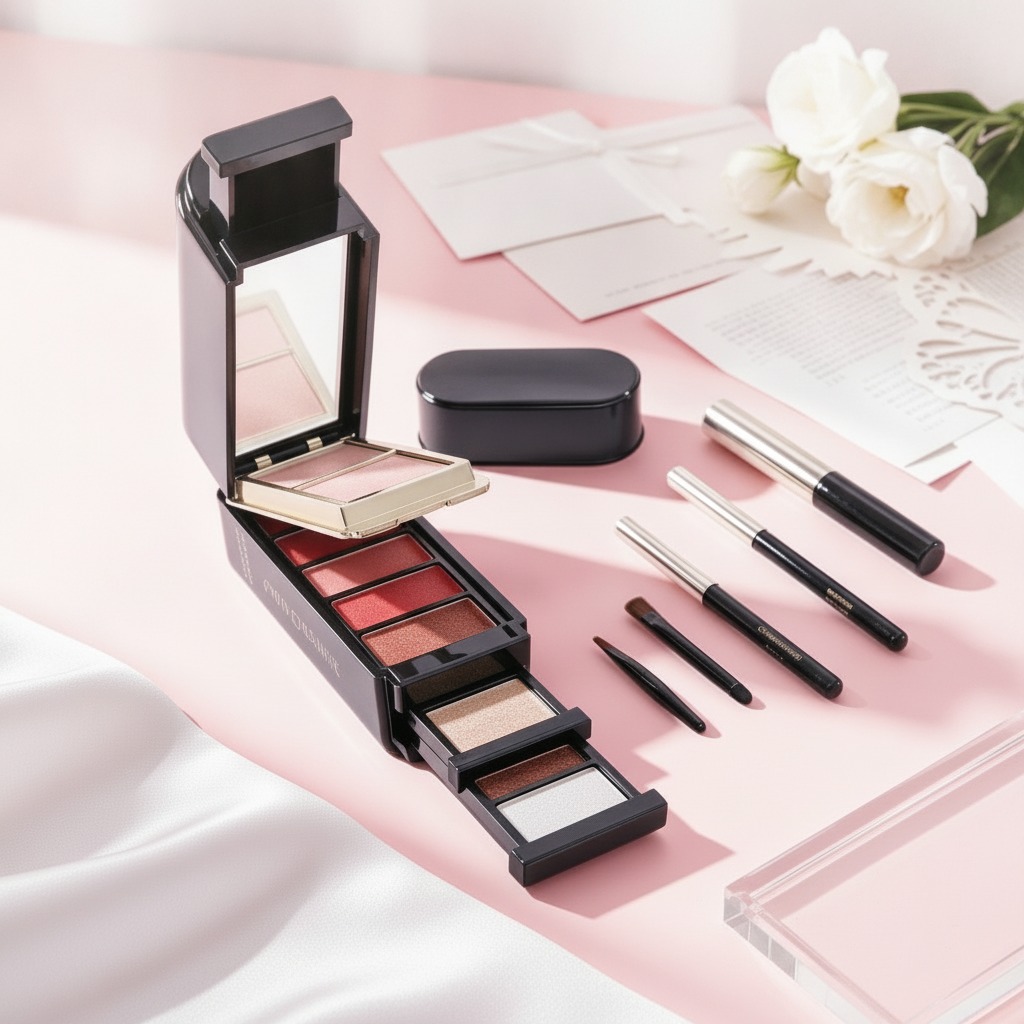
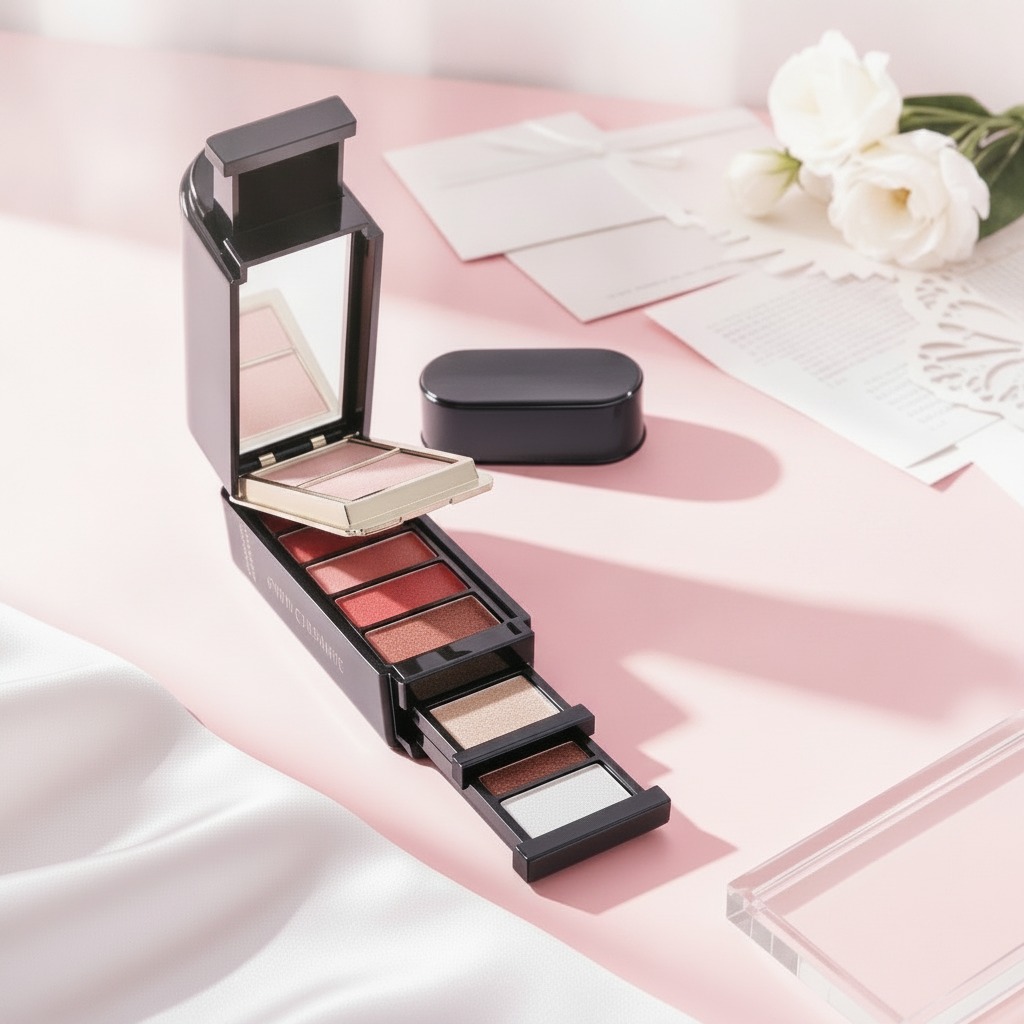
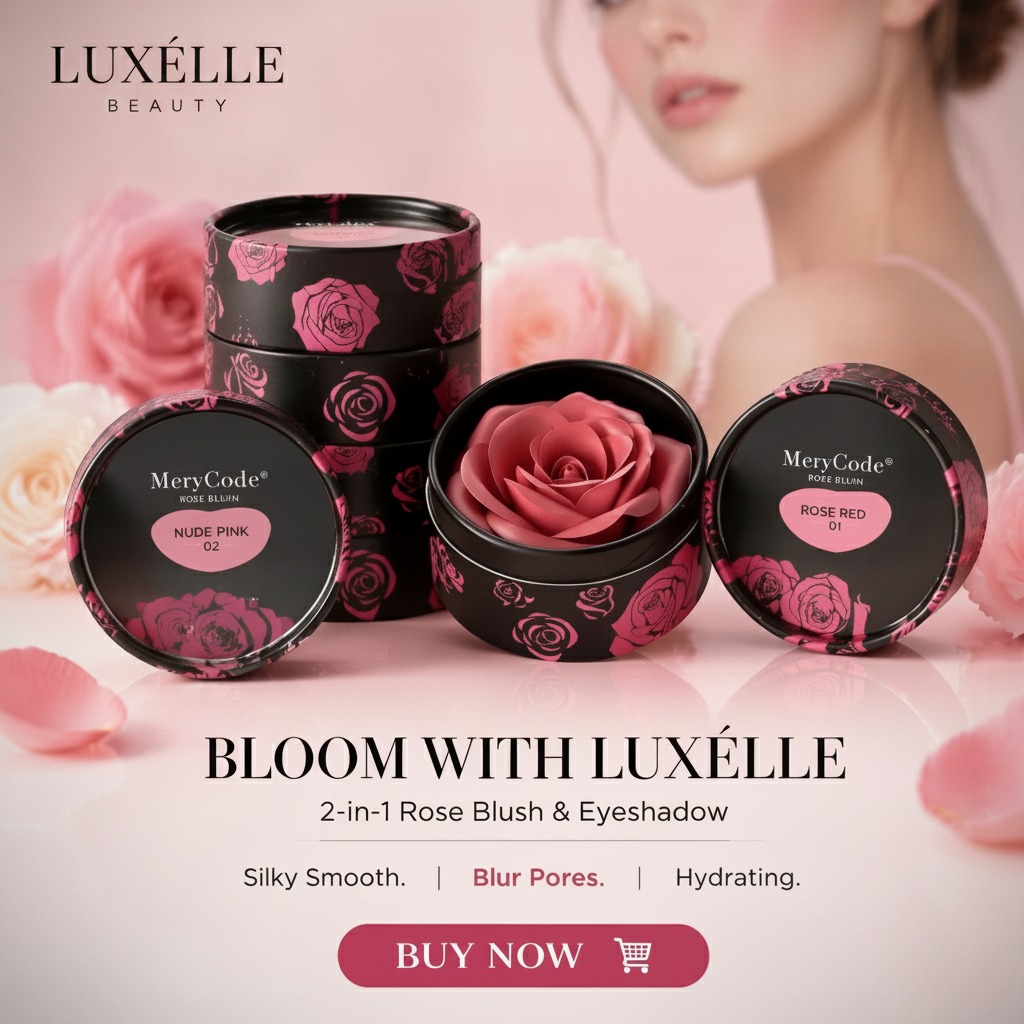
There is no universal formula, but the most practical kits usually cover three jobs: color, definition, and convenience. A blush-and-eyeshadow combo is a good example of that logic. The product described here, sold as “blush & eyeshadow 2 in 1” in shade #02 Nude Pink, fits the kind of dual-use thinking buyers look for in a starter set. One pressed powder compact can soften the cheeks and give the eyes a light wash of color without requiring separate products for every step.
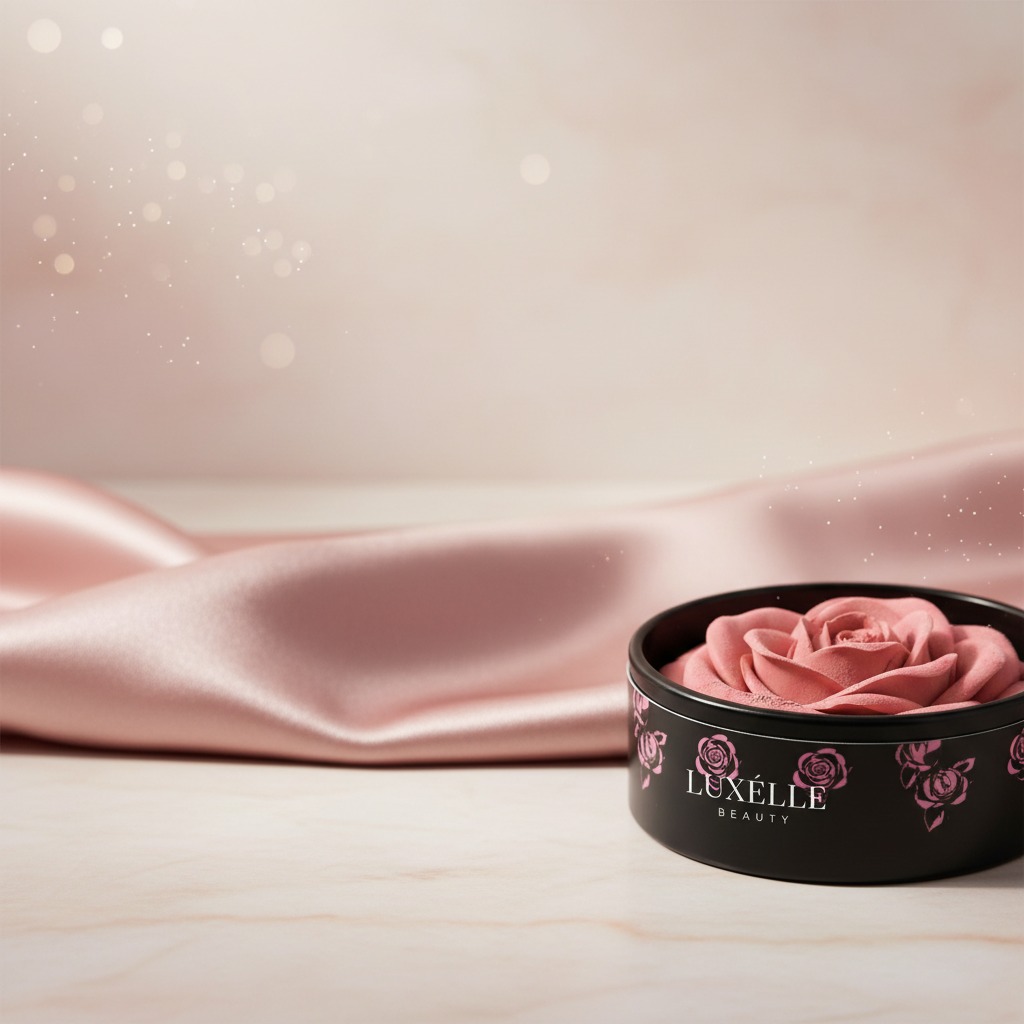
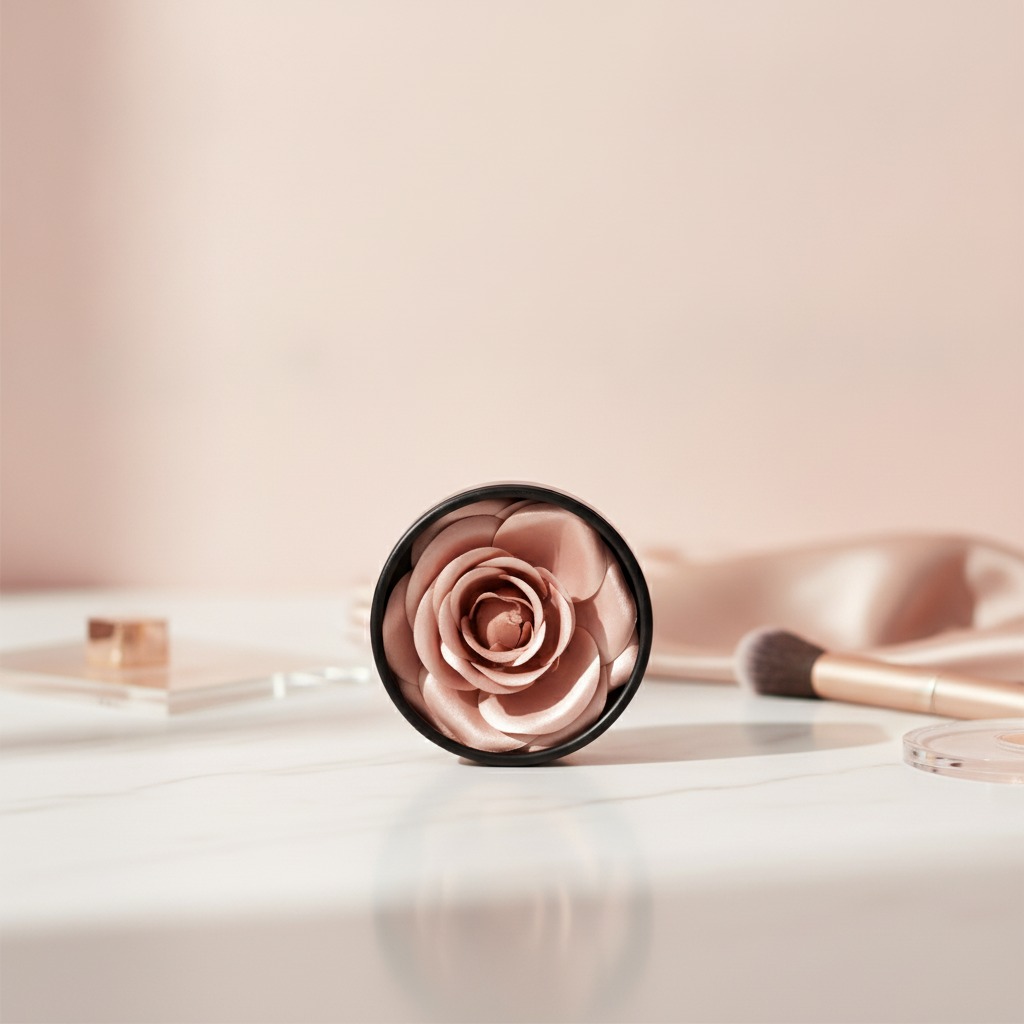
That matters especially for first-time users. A nude pink tone is generally easier to manage than stronger reds or deep browns, and a satin-to-shimmery finish can make a face look more finished with less skill. The rose-flower embossing on the powder surface is not just decoration either; in entry-level cosmetics, presentation helps signal that the product is meant to be approachable, not clinical.
For sourcing teams, compact dual-use items can also reduce SKU sprawl. A single format that serves two functions can simplify merchandising and, in some cases, packaging design. The caveat, of course, is that the formula must hold up in both applications. A cheek product that looks good but dusts away too fast, or an eye color that applies unevenly, will quickly disappoint the end user.
The role of texture, finish, and application feel
In a starter beauty kit, texture often matters more than color theory. Beginners do not want products that grab the skin, stain unevenly, or demand special brushes. The promotional language around the compact mentions “silky smooth powder,” “blur pores,” and “hydrating,” though those claims should be treated as marketing until verified by testing. Even so, they point to the kind of sensory profile brands usually want: a powder that feels soft, blends easily, and gives a blurred look rather than a hard edge.
That is especially useful for customers building a simple everyday routine. A soft-focus finish can make blush and eyeshadow less intimidating. If the shade is too bright or the powder too dry, a novice may overapply and end up with a look that feels theatrical instead of natural.
Why nude pink is a frequent starter-kit choice
Nude pink occupies a useful middle ground. It can lean warm, cool, or neutral depending on the undertone, and in a starter kit that flexibility helps. It tends to work on more occasions than a trend shade. It also photographs well, which still matters in retail packaging and online product pages.
Why a curved silicone mascara brush belongs in the same conversation
A starter beauty kit usually needs at least one lash product if the goal is a complete face without complexity. The curved silicone mascara brush described here is interesting because it is built for separation and contour-following application rather than a heavy, oversized mascara load. The arched shape is meant to hug the lash line and distribute product strand by strand, which is exactly the sort of controlled effect beginners usually need.
Silicone brush heads are common in modern mascara packaging because they can be molded consistently and cleaned up visually in a way that traditional fiber brushes sometimes cannot. The short, dense spikes on a curved spine suggest an emphasis on definition and reduced clumping. Again, the image claims “no clumps” and “deformable silicone brush head,” but those performance points would need verification in testing. Still, the design direction is clear: a brush like this is meant to be forgiving and precise at the same time.
For product teams, the brush shape also affects user experience in a practical way. A curved head can be easier for some beginners because it naturally follows the eye shape. But if the curve is too aggressive, it can feel awkward in the hand or make corner lashes harder to reach. That is the sort of detail that often gets missed in concept reviews and then shows up later in consumer feedback.
How to think about starter kits as a buying decision
Whether you are assembling a retail starter beauty kit or evaluating a makeup bundle for private label development, the key question is not how many items are included. It is whether the kit removes friction.
A useful starter kit usually does at least one of the following:
It makes application simpler.
It reduces the number of separate products needed.
It gives a reliable result with modest skill.
It looks polished enough to gift or sell as an entry point.
That is why a dual-use pressed powder and a well-designed mascara brush make sense together. One handles soft color on cheeks and lids; the other handles lash separation and definition. The pair covers a lot of routine makeup ground without asking the user to manage too many steps.
Common mistakes buyers should avoid
The first mistake is overfilling a starter kit with products people do not know how to use. More items can make the offer look generous, but they can also make the set feel intimidating.
The second is choosing textures that are too specialized. A very glitter-heavy eyeshadow may look attractive in product photos, yet it is not always the best fit for a beginner. Likewise, a mascara brush that is designed for dramatic volume but not control can create more cleanup than payoff.
A smaller but important issue is packaging clarity. In entry-level cosmetics, the consumer should be able to tell at a glance what the product does. “Blush & eyeshadow 2 in 1” is straightforward; so is a visibly curved mascara brush. That clarity saves support time and lowers the chance of returns driven by misunderstanding.
Practical takeaway for brands and sourcing teams
If you are building or evaluating a starter beauty kit, look for products that do double duty without feeling compromised. The pressed powder compact in Nude Pink offers one route: a single item for cheeks and eyes, with a soft decorative presentation that supports beginner-friendly use. The curved silicone mascara brush offers another: a lash tool designed to separate, follow the eye contour, and keep application controlled.
Used together, they suggest a useful buying principle. Starter kits should not just be smaller versions of full makeup assortments. They should be curated around ease, clarity, and low-risk performance.
What to ask before placing an order
Before committing to a kit or component set, ask for the details that are not visible in a photo: formula structure, packaging dimensions, component compatibility, and any substantiated performance data. If claims like long wear or pore blurring matter to your market, request evidence rather than assuming the marketing text is enough.
That small step often separates a presentable starter kit from one that actually earns repeat buyers.