What buyers should look at before choosing a tinted lip oil

A tinted colored lip oil can look like a simple beauty item on a retail shelf, but for sourcing teams and product developers it sits at the intersection of formulation, applicator design, and packaging performance. That matters because the product has to do more than add shine. It needs to feel comfortable, carry a light wash of color, protect the formula in transit, and hold up in a handbag or travel kit without leaking or separating.
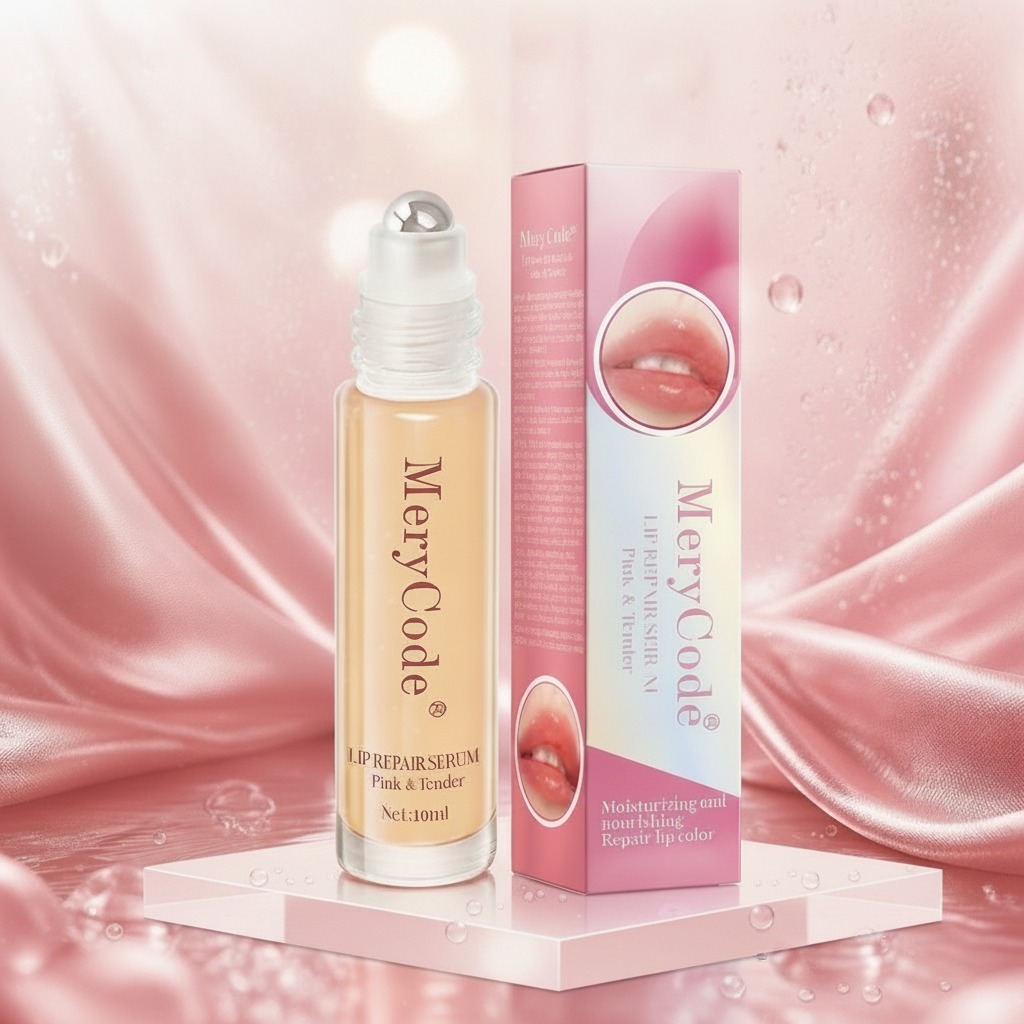
The packaging shown for this lip repair serum kit points to the kind of product many buyers now ask for: a moisturizing and nourishing lip color in a compact format, with a clear emphasis on portability. The visible 10 ml fill and the “Complete Repair Kit” positioning suggest a consumer use case that mixes daily care with a cosmetic finish. That combination has become common in lip products because shoppers want one item that can hydrate, condition, and tint without the heavier feel of a traditional lipstick.
Why the format matters as much as the formula
In lip care, the container often determines whether the product feels premium or troublesome. A slim tube, a roller-style applicator, and a tall retail carton can make a small set feel giftable and ready for store display. More importantly, the format influences how consumers use it. If the applicator is smooth and controlled, the product can work for quick touch-ups, desk drawers, and travel pouches. If the closure is weak, the whole proposition loses credibility fast.
The visible design here leans into that practical side. The box highlights a sleek portable design, spill-proof packaging, and on-the-go use. Those are not just marketing phrases; they are buying criteria. For private label teams, they can determine whether a product is suited to pharmacy shelves, e-commerce bundles, or promotional sets.
Quick reference: what this kind of lip oil set is trying to solve
A tinted lip oil is usually chosen for three reasons:
It delivers moisture without the thick drag some balms leave behind.
It gives a light tint, which helps the product feel more cosmetic than medicinal.
It offers convenience, especially when the package is compact and easy to carry.
This particular lip repair serum format seems aimed at consumers who want a soft pink finish and a care-first experience. That is useful for retail buyers because it broadens appeal: the product can sit between skincare and color cosmetics rather than competing only as one or the other.
Packaging and applicator details buyers should not overlook
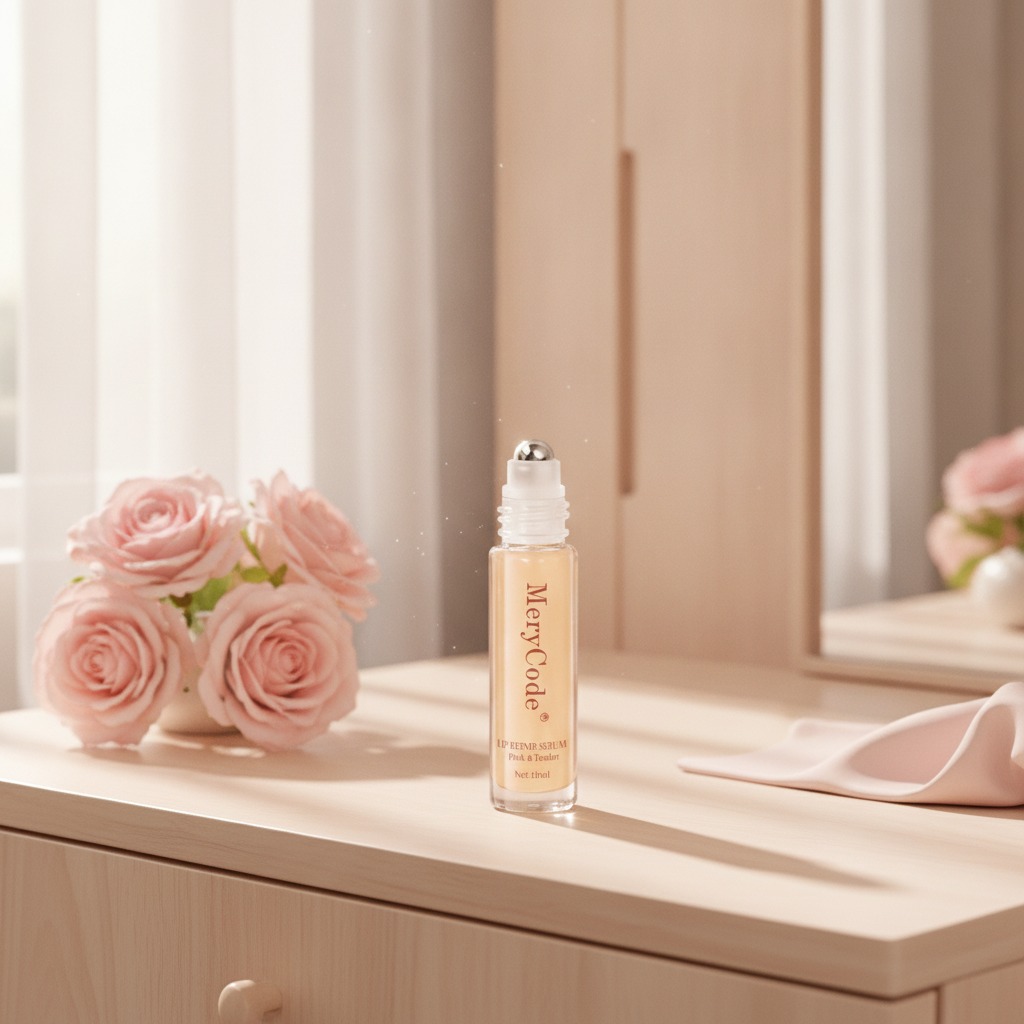
The visible packaging suggests clear or translucent tubes with pink liquid, glossy pink caps, and a metallic roller-ball style applicator on one unit. Even if the exact material has not been confirmed, the overall construction tells you a few things.
First, the product is designed to show the fill level and the color tone. That is helpful in merchandising, but it also means formula stability matters more because customers can see changes in clarity, settling, or separation.
Second, a roller applicator changes the user experience. Some buyers prefer it because it can feel controlled and clean. Others avoid it for thicker formulas, since oils or serum-like textures may not roll evenly if viscosity is too high. That is a practical caution worth raising early with a supplier.
Third, the retail carton adds shelf presence and protects the set in transit. For gifting and bundled sales, that usually improves conversion. For e-commerce, it also reduces the odds of scuffing before arrival, though no package is truly immune to rough handling.
Selection criteria for sourcing teams
When evaluating a tinted colored lip oil, the first questions should be basic and specific: how does the formula behave, how stable is the color, and does the applicator match the viscosity? After that, look at the closure, the seal, and the carton construction. A pretty bottle is not enough.
If the product is being positioned as a lip repair serum kit, buyers should also ask how the care story is being supported. Even a cosmetic product that feels nourishing needs a credible texture and wear profile. Consumers notice if it is sticky, streaky, or too thin to stay on the lips.
For set sales, consistency between the two tubes matters as well. Matching appearance, aligned fill, and reliable cap fit all signal quality. Small inconsistencies are often what turn a promising sample into a return risk.
Common buyer mistakes
One frequent mistake is over-prioritizing shade and ignoring packaging behavior. Another is assuming that a spill-proof claim will automatically hold up in transit testing. That claim should be treated as a design target, not a guarantee.
A second issue is underestimating the effect of the applicator. In a roller format, the ball size, metal finish, and dispensing feel can change customer perception more than people expect. The formula may be fine, but if the application feels awkward, repeat purchase drops.
Practical takeaways for product teams
A tinted lip oil works best when the formula, applicator, and carton are developed together. For a 10 ml repair kit like the one shown, the most useful decision is not just “does it look good?” but “does it behave well in daily use and in shipping?” That question saves time later.
If you are sourcing this kind of product, ask for material confirmation, compatibility checks, and a clear packaging spec before you move too far down the line. Cosmetic products are deceptively simple; the trouble usually shows up in the details.
FAQ
Is a tinted lip oil the same as a lip gloss?
Not exactly. A lip oil usually leans more toward comfort and conditioning, while gloss is often judged more by shine and finish. The boundaries do blur, which is why texture testing matters.
Is a roller applicator a good choice for lip serum?
It can be, especially for light serum-like formulas. The fit between product viscosity and applicator design is what decides whether it feels smooth or fussy.
What makes this kind of product suitable for gifting?
Compact size, visible color, and retail carton presentation all help. Sets that look neat on the shelf tend to do well as impulse gifts or travel-friendly purchases.
Next step for buyers
If you are evaluating a tinted colored lip oil for retail, private label, or promotional use, start with packaging compatibility and user feel, then move to formula performance. A sample that looks attractive but does not apply cleanly is rarely worth scaling. Ask for the full pack specification, confirm the fill and closure details, and test it the way a customer will actually use it: in a hurry, one-handed, and probably while carrying something else.