Why tinted lip oil keeps winning shelf space
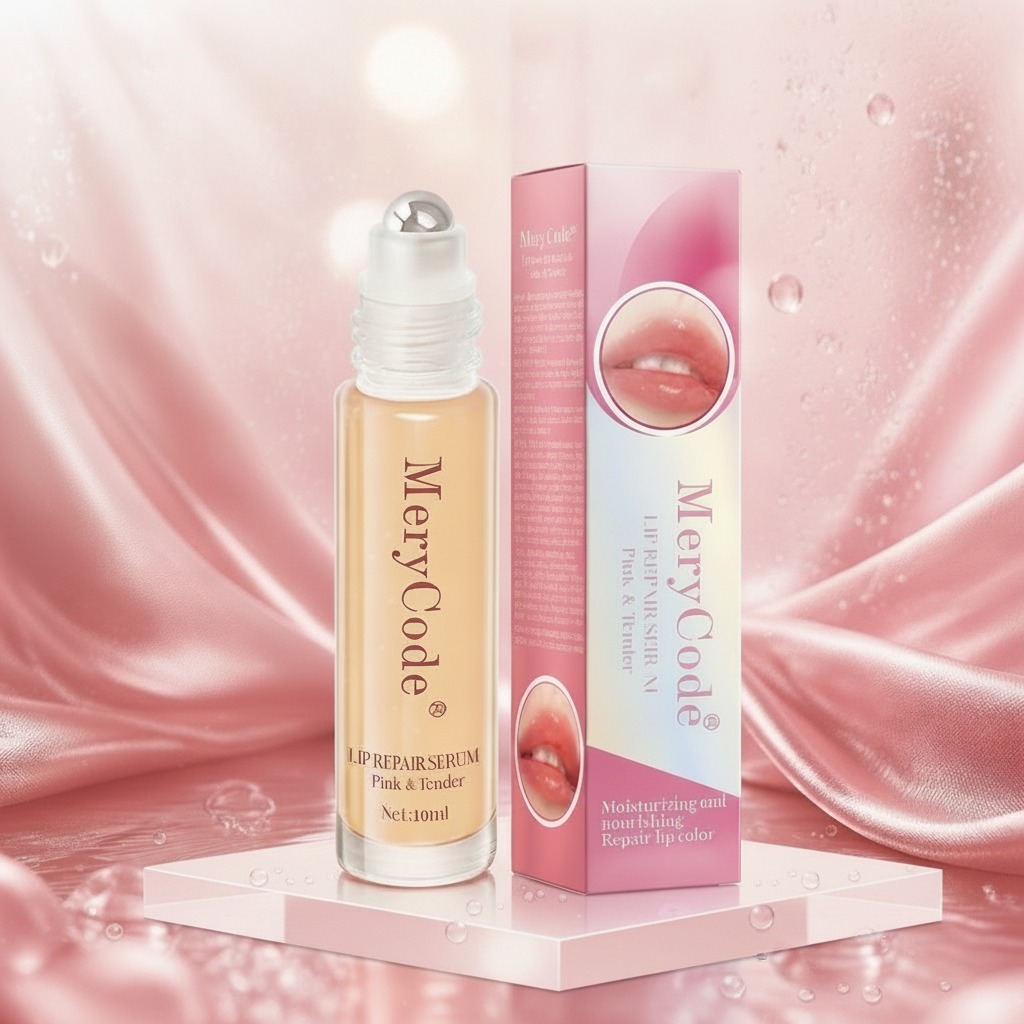
Tinted lip oil sits in an interesting middle ground: it behaves like a treatment, looks like makeup, and sells like a low-risk impulse purchase. For brands and private-label buyers, that combination is hard to ignore. Consumers want moisture first, but they also want a little color, shine, and a product they can keep in a pocket or handbag without thinking twice. A compact formula in a small bottle, such as the visible 10 ml lip repair serum format, fits that buying habit very well.
The category matters because it solves a familiar problem. Dry lips are not just a seasonal complaint; they affect comfort, appearance, and repeat purchase behavior. If a product can soften lips, improve the feel of the surface, and add a tint that looks polished rather than heavy, it earns a place in a daily routine. That is the real commercial case for tinted lip oil: it is easier to repurchase than a full color lip product, and easier to justify than a plain balm.
What buyers should notice in a lip repair serum format
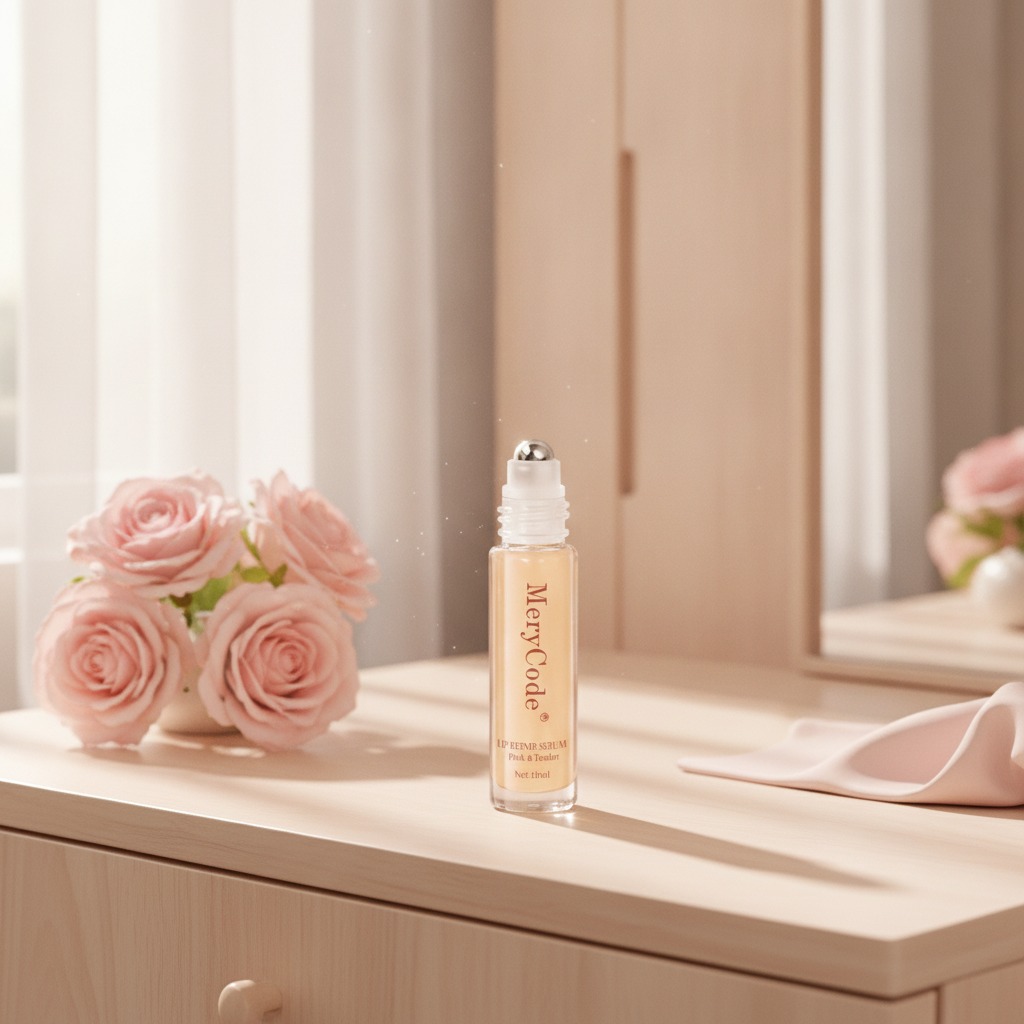
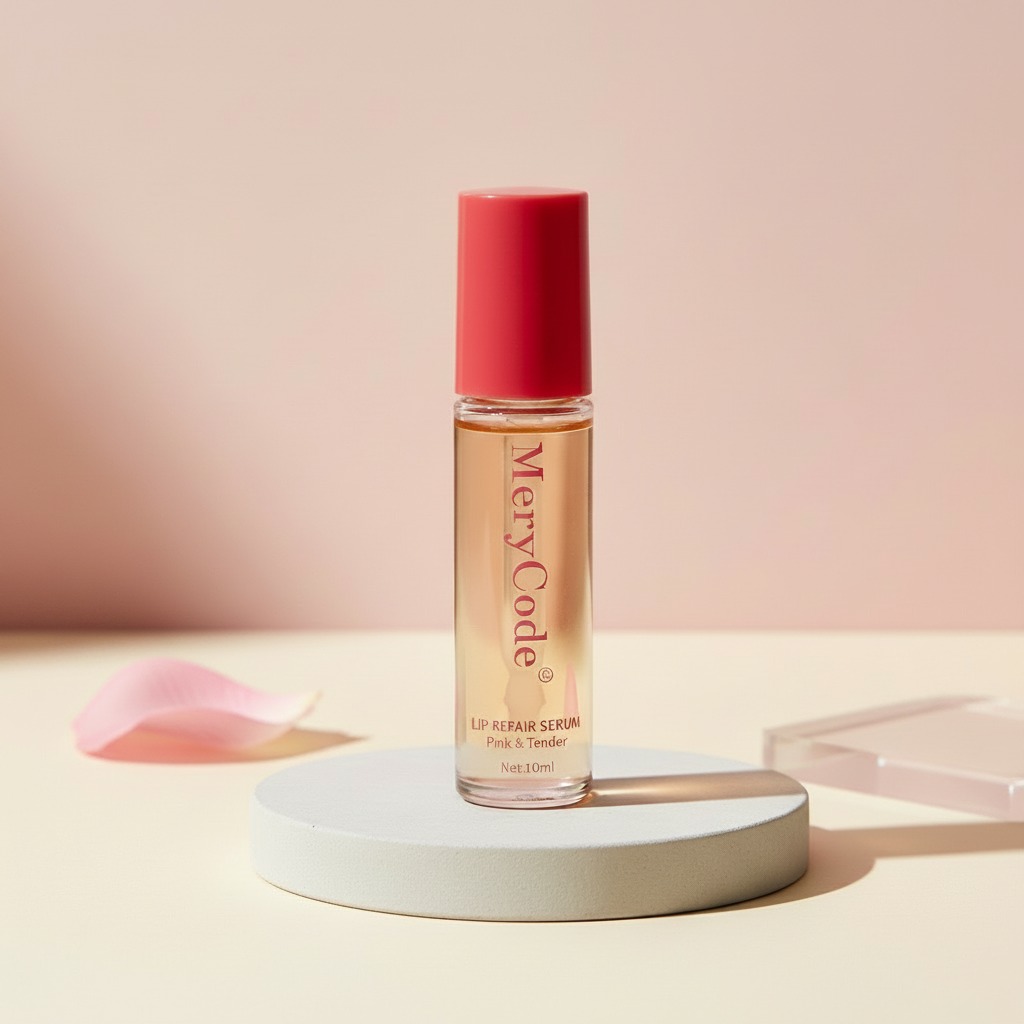
The product presented here is labeled “LIP REPAIR SERUM Pink & Tender” under the MeryCode name, with a net content of 10 ml. Visually, it is a small cylindrical bottle with a clear body, amber-toned liquid, and a matte or satin red cap. That may sound like a branding detail, but packaging is part of the product decision. In lip care, the package has to suggest cleanliness, portability, and controlled dispensing. A narrow-neck, travel-sized bottle supports all three.
For sourcing teams, the main point is that this kind of packaging points toward a packaged cosmetic formulation and filling service rather than a complex rigid container system. That usually means attention should be paid to filling consistency, label adhesion, cap fit, and product stability in transit. The exact dispenser type is not visible, so it would be unwise to assume a dropper or applicator. Buyers should confirm that before locking in a specification.
Tinted lip oil versus lip balm versus lip gloss
Many products blur these lines, but the distinctions still matter when selecting a SKU.
Tinted lip oil
Usually positioned as a softer, more nourishing cosmetic step. It aims to deliver shine, light color, and a conditioning feel without the thick waxy finish some balm users dislike.
Lip balm
Typically focused on barrier support and daily protection. It may be better for simple utility, but it often lacks the visual appeal that drives gift sets or checkout purchases.
Lip gloss
More obviously cosmetic. Gloss can deliver stronger shine and color payoff, but it may feel less treatment-oriented and less appropriate for customers who want a care-first product.
For many brands, the winning formula is a tinted lip oil that borrows the best of each: care, comfort, and a visible finish. That balance is why this category continues to expand across mass retail, beauty kits, and sample-sized promotional products.
Packaging and formulation cues that influence buyer confidence
Even without the ingredient list, the visible product cues tell a useful story. The clear container lets customers see the liquid level and color. The amber tone suggests a serum-like aesthetic rather than a candy-bright gloss. The compact size reduces perceived risk and makes it suitable for travel or trial. Those are practical advantages, not just design choices.
Still, cosmetic buyers should be careful not to let attractive packaging substitute for formulation review. For lip repair serum products, the question is always whether the texture spreads smoothly, stays comfortable, and behaves well over time. Appearance matters, but so does stability, especially in a product that may be exposed to temperature swings in shipping and retail storage.
Selection criteria for sourcing and product development
If you are evaluating a tinted lip oil or similar lip treatment SKU, start with the basics: what role is the product meant to play in the range? Is it a beauty-first tint, a repair-first treatment, or a hybrid? That answer shapes the formula, package, and price position more than almost anything else.
Then check the practical details that often get overlooked:
• Closure and dispensing method: a good visual concept can still fail if the applicator is awkward or messy.
• Bottle material and visibility: clear packaging helps merchandising, but it also makes fill quality and bubble control more important.
• Net volume: 10 ml is compact enough for trial and travel, which can be useful for gift sets and retail counters.
• Label legibility: the name, function, and brand should be readable at a glance.
A small caution here: a product that looks premium in a photo may still be brittle in the supply chain if the cap fit or seal is weak. That is one of those unglamorous issues that tends to show up after launch, not before.
Common mistakes when buying this category
The first mistake is treating all lip care liquids as interchangeable. They are not. A lip repair serum can feel very different from a glossy oil, even if both appear shiny in the bottle. The second mistake is overpromising on claims. If the formulation details are not confirmed, it is safer to stay with cautious, supportable language such as moisturizing, softening, or daily lip care.
Another common issue is ignoring how the product will be merchandised. A small cylindrical bottle with a matte red cap may look tidy on a shelf, but the value proposition still has to be obvious. Shoppers should understand in one glance whether they are buying a cosmetic tint, a treatment, or both.
Practical buyer advice
For sourcing managers and product teams, the smartest move is to treat tinted lip oil as a small-format performance product, not just a pretty accessory. Ask for fill specifications, closure confirmation, packaging samples, and stability information before committing to a run. If the product will be marketed as a lip repair serum, the wording on pack should line up with the actual formula and intended use.
If you are building a portfolio, this format works well as a low-barrier entry item, a seasonal add-on, or a travel-friendly companion SKU. It can also support private label positioning when the packaging is clean and the finish looks credible.
FAQ: what buyers usually ask first
Is tinted lip oil mainly a cosmetic or a care product?
Usually both. The strongest products combine light color with a moisturizing, comfortable feel.
Why does the package size matter?
Small formats like 10 ml are easier to trial, gift, and carry, which helps conversion in retail settings.
Should I assume a dropper or applicator?
No. If the dispensing mechanism is not visible, confirm it directly before purchase.
What is the safest way to position it?
Use only claims that match the confirmed formulation and visible function.
Next step for buyers
If your goal is to add a lip care SKU that feels current without being overly trendy, tinted lip oil deserves a serious look. Ask for the full specification, review the filling and closure details, and compare how the package will sit alongside your existing balm and gloss range. The right version will do more than decorate a shelf; it will solve a small but repeatable customer problem, which is usually where dependable cosmetic sales begin.