What a TintedLipOil is actually doing on the shelf
A TintedLipOil sits in an interesting middle ground between lip balm, lip gloss, and a lightweight treatment product. For buyers and product teams, that matters because the category is not judged only by color or shine. It has to feel comfortable, apply cleanly, travel well, and communicate a clear use case in seconds. In the case of the compact roll-on format described here, the product is positioned as a daily lip care serum or oil, with a small 10 ml bottle, a visible roller-ball applicator, and messaging that points to AM, mid-day, and PM use.
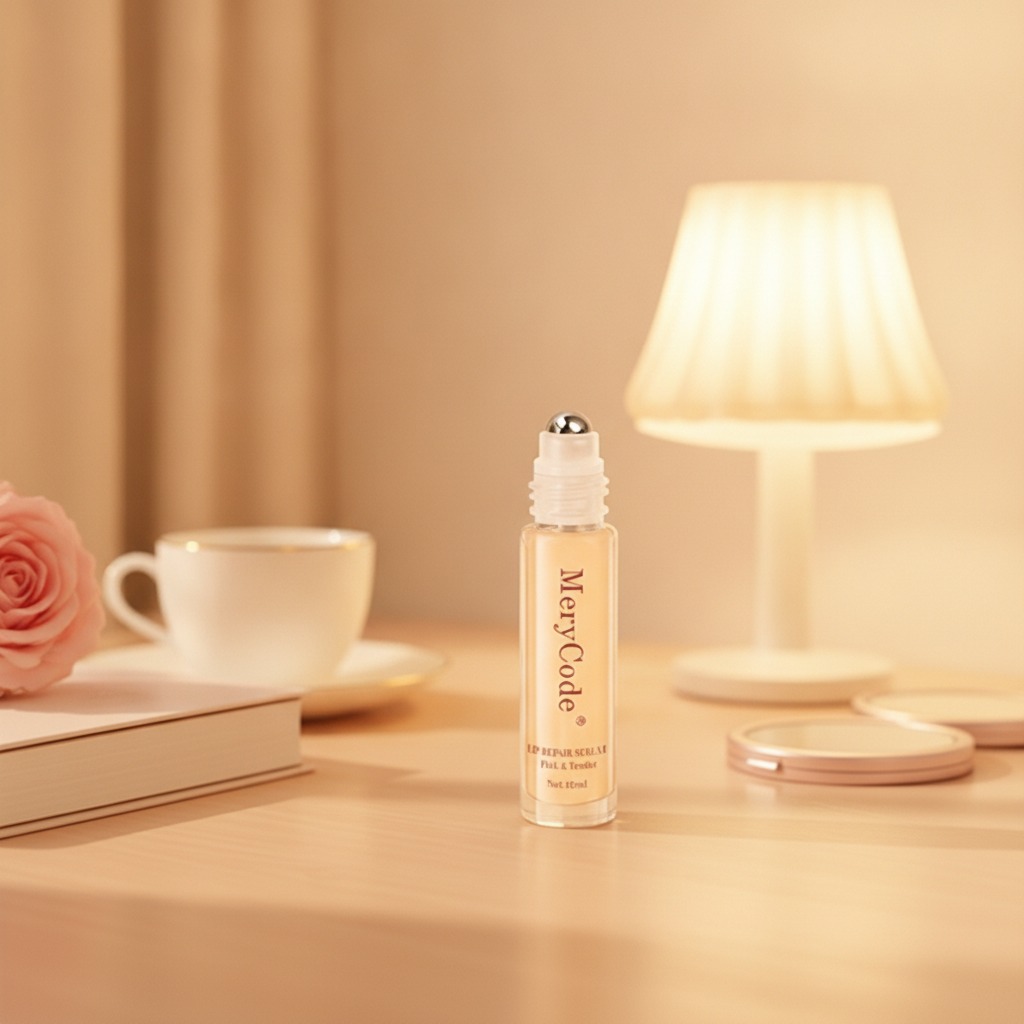
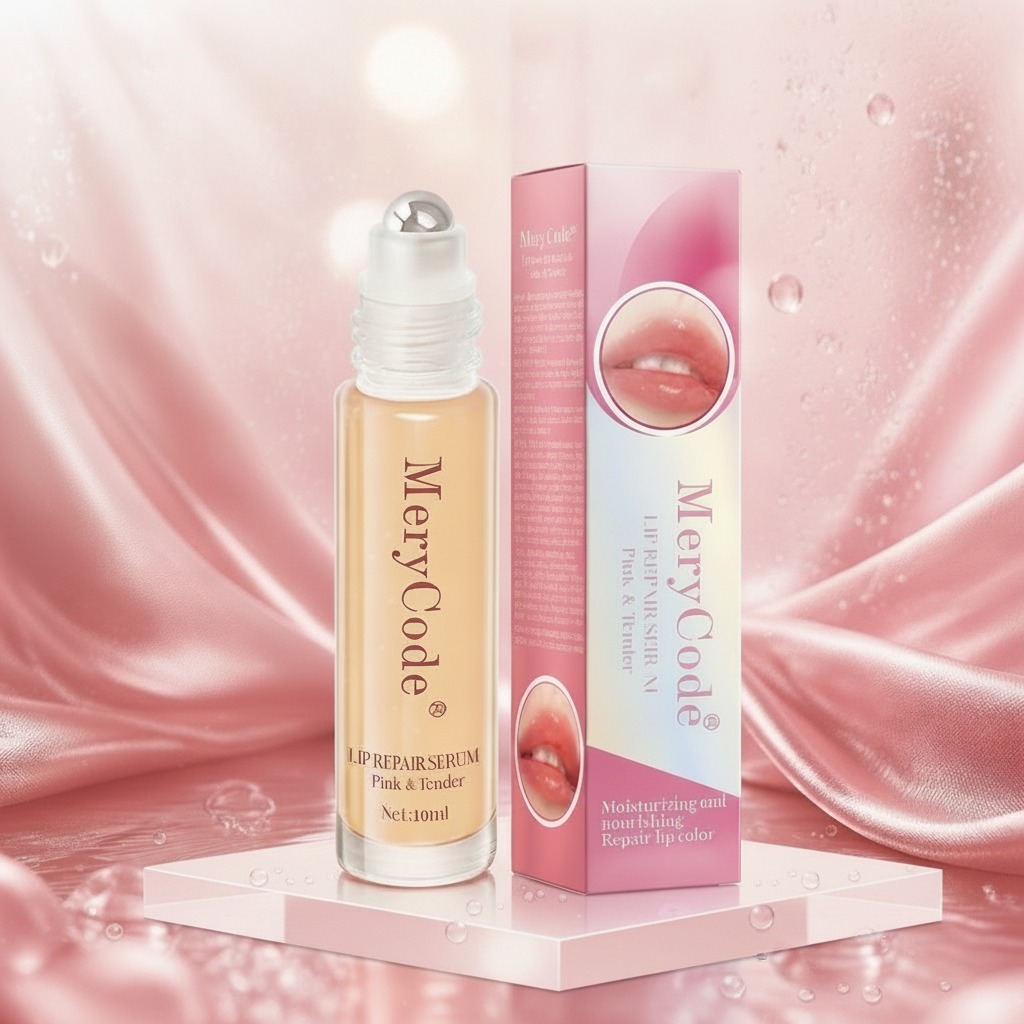
That kind of format tells you a lot about the intended shopper. This is not a heavy jar balm meant to stay on a vanity. It is a pocketable, quick-use item for touch-ups, softening, and a glossy finish. The packaging itself is part of the value proposition: small, neat, and easy to carry in a handbag, cosmetic pouch, or travel kit.
Why the format matters for manufacturers and buyers
In cosmetics packaging, the dispensing system is often as important as the formula. A roller-ball applicator changes the user experience immediately. It spreads product with a direct, controlled motion, which can reduce mess and help the user apply a thin layer without overloading the lips. For a product built around moisturizing, shine, and protective conditioning, that is a practical advantage.
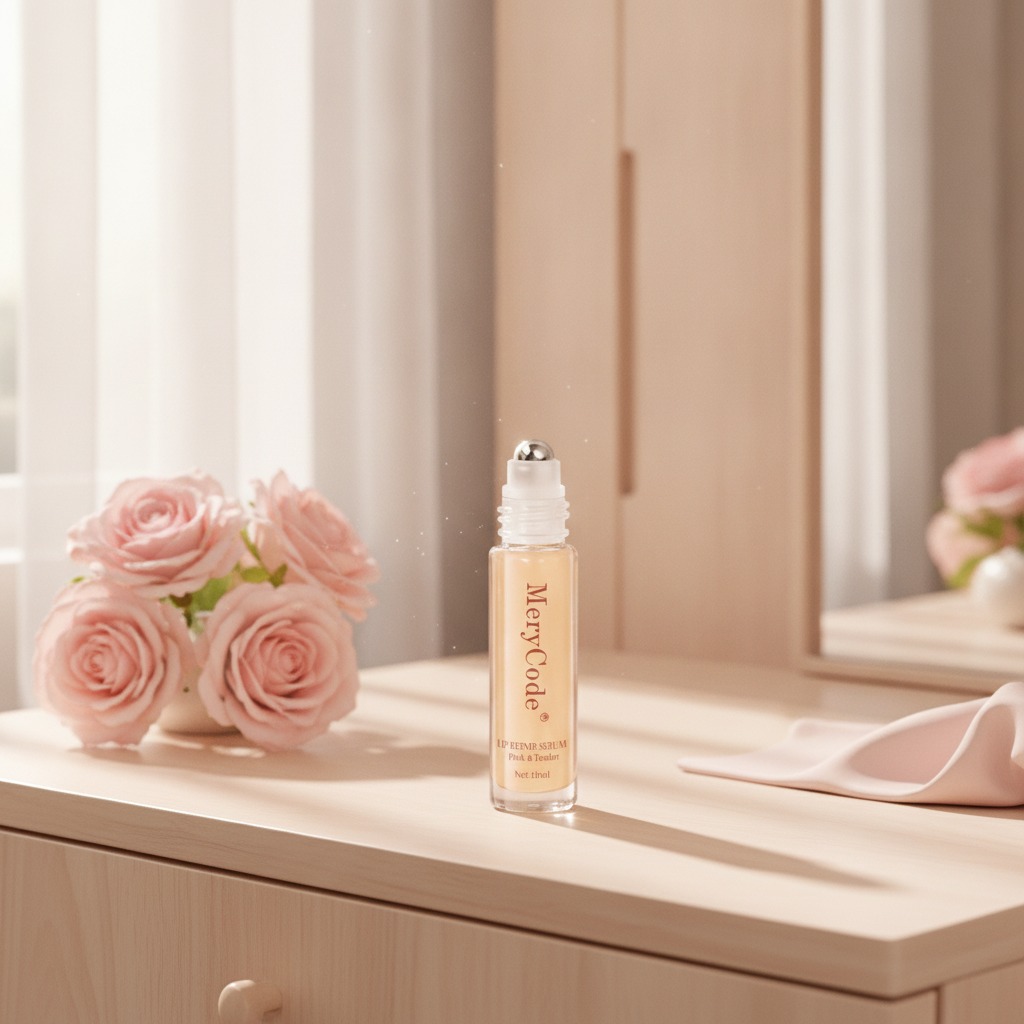
The clear cylindrical bottle also does some quiet work. A transparent body lets the pale peach liquid show through, which can make the product feel fresher and more premium, especially when paired with minimal branding. Buyers in retail beauty often underestimate this detail. On a crowded shelf, a clean bottle with a visible fill level and a neat cap can do more than a noisy label full of claims.
Quick read on the visible product cues
What can be verified from the packaging
The product shown is a 10 ml lip care item branded “MeryCode,” presented in a small round bottle with a roller-ball top. The image messaging suggests three daypart uses: AM, Mid-day, and PM. Claims visible on the pack include “nourish and protect,” “shine boost,” and “deep overnight repair.”
What should be treated cautiously
Exact ingredients, actives, seal structure, refillability, and clinical performance are not visible here, so those should not be assumed. The same goes for any dermatological claims or wear-time promises. If you are sourcing this kind of product, verify formulation compatibility with the roller-ball system before you commit to production. A beautiful package can still fail if the viscosity is wrong.
Where TintedLipOil fits in a product line
This category is useful because it can bridge several buying occasions. A traditional lip gloss may lean too decorative, while a balm may feel too plain. A tinted oil can do both jobs at once: offer a soft wash of color or sheen while supporting the daily care narrative. That makes it attractive for private-label cosmetics, gift sets, travel collections, and impulse purchases near checkout.
It also lends itself to time-based merchandising. The AM / Mid-day / PM messaging is simple but effective. Morning suggests preparation and moisture. Mid-day implies refreshment and shine recovery. Nighttime points toward conditioning and overnight care. That sequence gives the product a routine, which is often more persuasive than a long ingredient story, especially for mass or mid-market beauty.
Selection criteria buyers should not skip
First, check the flow behavior of the formula. Roller-ball packaging works best when the product is neither too thin nor too heavy. If it runs, it can feel wasteful. If it is too viscous, the roller may drag and frustrate the user.
Second, review material compatibility. Clear plastic, ribbed neck parts, and a roller-ball applicator all need to stay stable with the fill. Cosmetic oils and serum-style liquids can interact differently with plastics, seals, and decorative finishes. That is one of those unglamorous checks that saves a lot of trouble later.
Third, think about the retail story. The bottle size, transparent body, and polished applicator suggest a product that should look tidy and modern. If the outer carton or label becomes cluttered, the whole effect can collapse. This is a small package, so the design margin is small too.
Common mistakes with roll-on lip care products
One common mistake is treating all lip oils as if they behave the same way. They do not. A formula that looks elegant in a dropper bottle may not dispense well through a roller-ball. Another mistake is overpromising care benefits on the pack. “Nourish and protect” is broad; specific skin-treatment language needs evidence behind it.
There is also a packaging mistake that shows up often: choosing a bottle that feels nice in the hand but is awkward in daily use. A lip care product has to be quick. If the cap, neck, or roller assembly is fiddly, users will stop reaching for it. For a product meant for morning, midday, and night, ease of use is not a bonus feature. It is the product.
Practical advice for sourcing and private label
If you are evaluating a TintedLipOil for private label, ask for sample units in real handling conditions. Test the roller ball after the product has sat for a while, not just immediately after filling. Check the visual clarity of the tube, the consistency of the fill level, and whether the applicator lays down a clean film without streaking.
For retail buyers, the 10 ml format is useful because it feels affordable and trial-friendly. That can support repeat purchase if the texture and scent are right. For product teams, it is a flexible size for promotional bundles or seasonal sets. It is small enough to travel, but not so tiny that it disappears in the hand.
FAQ: common buyer questions
Is a roller-ball lip oil practical?
Yes, if the formula is matched to the dispensing system. It is especially useful for controlled application and quick touch-ups.
Does tinted oil replace lip balm?
Not always. Some users will see it as a daily care step, while others will still want a heavier balm at night. The overlap is part of the category’s appeal.
What should I verify before ordering?
Confirm formula viscosity, packaging compatibility, fill consistency, and any claims you plan to print on the label. Small cosmetic products can look simple, but they live or die on detail.
A sensible next step
If you are comparing lip care packaging options, this style of TintedLipOil is worth reviewing for convenience, shelf appeal, and everyday usability. The clean bottle, roller-ball top, and routine-based messaging make it a straightforward fit for modern beauty merchandising. Before placing a larger order, request samples and check how the product performs in the hand, not just how it looks in a photo. That is where the real answer usually appears.