Why a toiletry beauty kit ends up doing more work than people expect
A toiletry beauty kit sounds simple until you have to pack one for real life: a business trip with limited luggage space, a weekend wedding, a beauty counter display, or a gift set that needs to look polished the moment it is opened. In practice, buyers are often comparing more than cosmetics. They are weighing portability, presentation, product protection, and whether the package makes everyday use feel easy rather than fussy. That is where a compact palette-style format earns its place.
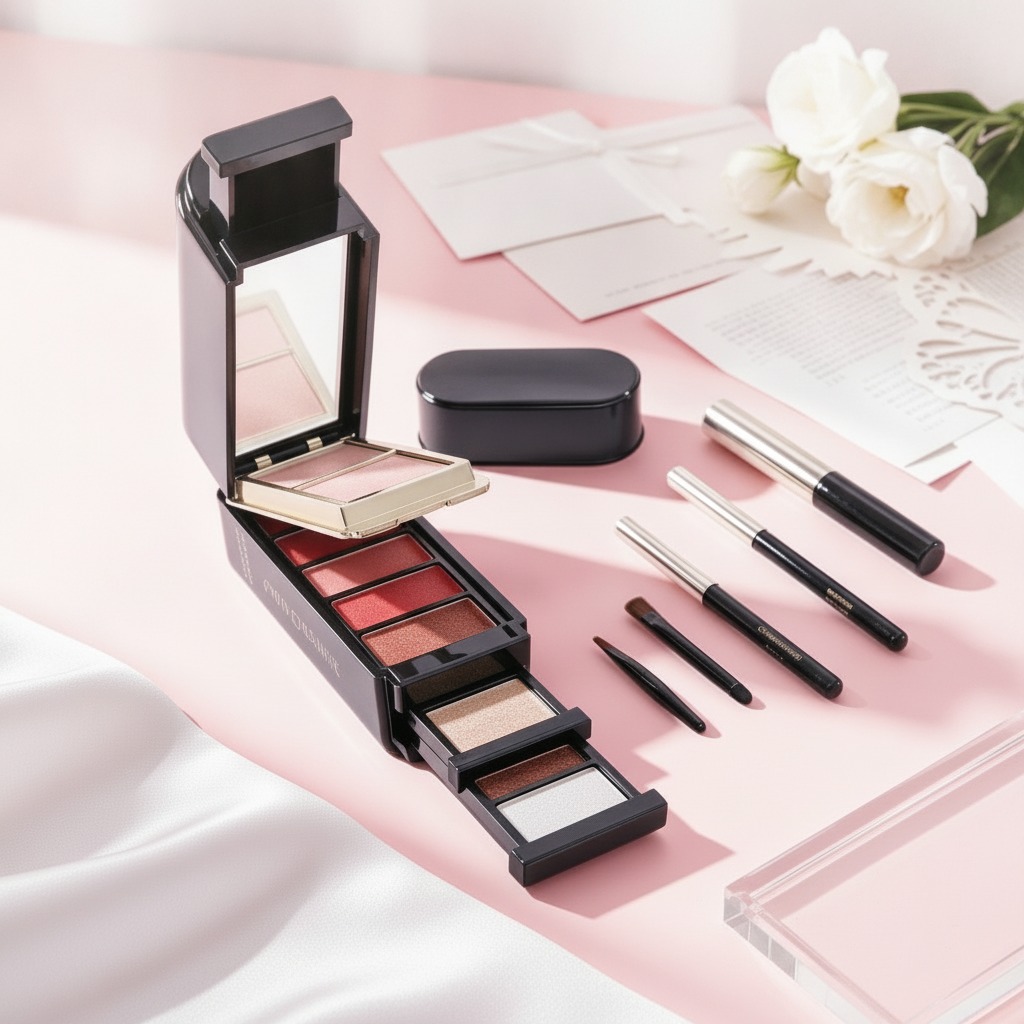
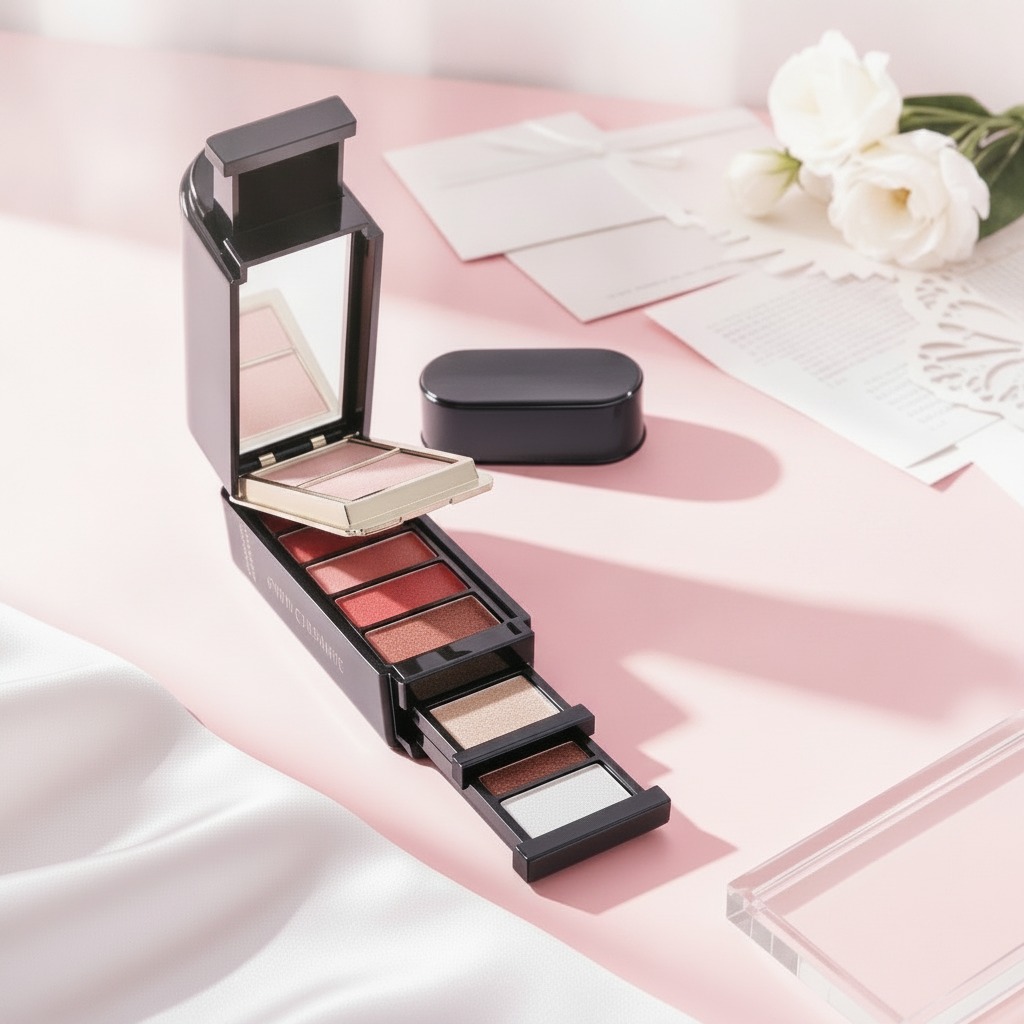
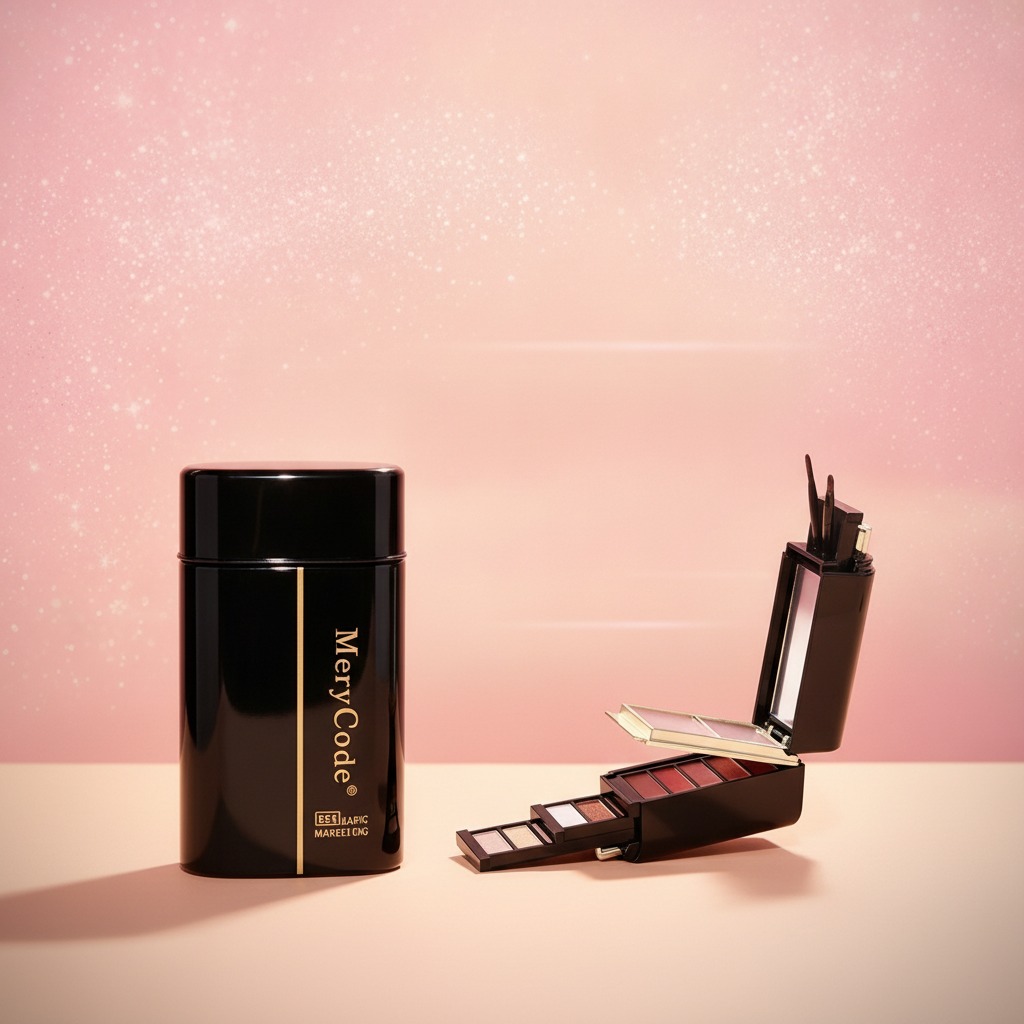
The product described here is the kind of rigid, clamshell cosmetic compact that sits somewhere between personal-use makeup and retail packaging. It appears to combine multiple pressed shades, an internal mirror, and a separate space for slim applicators. For sourcing teams and product planners, that combination matters. It changes how the item is stored, how it is displayed, and how the user experiences it after the first open.
What this format does well
The most obvious advantage is consolidation. Instead of carrying several small containers, the user gets multiple shades in one rectangular case. That saves space, but it also reduces the little failures that happen with loose items: missing caps, broken powder compacts, and bags full of cosmetic dust. A built-in mirror is another practical detail that sounds minor until you try to use makeup in a car, hotel room, or backstage corridor.
The attached tool compartment is also worth noting. Many travel kits look attractive on a shelf and become awkward once opened because the applicator has nowhere to go. A dedicated slot for slim tools helps keep the layout orderly. It is not a luxury feature; it is a usability feature.
For a toiletry beauty kit aimed at travel or gifting, that sort of internal organization can matter as much as the color selection. Buyers often underestimate that. The package may be judged first on appearance, but repurchase and product satisfaction usually depend on whether it behaves well in a bag.
Packaging structure: small details, real consequences
The visible design suggests a black rigid rectangular case with a glossy finish and a gold accent line or printed detail. That kind of outer shell does more than look premium. A rigid clamshell-style container protects pressed pans better than a soft pouch, and the flat profile makes shelf stacking and retail presentation easier.
From a manufacturing point of view, this is the kind of cosmetic packaging that typically involves molded plastic components, printed branding, and assembly around the cosmetic inserts. The exact material of the pans and applicators cannot be confirmed here, so it is better to treat them as unknown rather than guess. Still, the structure is familiar: outer case, hinge, mirror, shade layout, and a compartment for tools.
That structure creates a few buyer-facing tradeoffs:
Protection versus weight
A rigid case usually protects better than a lighter wrap-style kit, but it may add bulk. If the target user is a frequent traveler, that tradeoff should be considered early.
Presentation versus serviceability
A glossy black exterior with metallic detailing can support a premium retail impression. But if the surface scratches easily, it may not hold up well in a handbag or on a crowded display shelf.
Convenience versus complexity
More built-in features can help the end user, but they also create more assembly steps and more points to inspect during quality control.
How buyers should think about use cases
This type of kit is usually a fit for several channels at once. Beauty brands may use it as a retail item. Gift-set programs may use it because the presentation feels finished without extra outer packaging. Makeup artists may value the compact layout for quick touchups. Even private-label buyers often like this form because it gives them a straightforward way to combine several shades into one portable SKU.
The key question is not whether it looks good. It is whether the format matches the user’s routine. If the buyer wants a daily-use item, durability and ease of access matter. If the buyer wants a seasonal gift item, visual impact may matter more. If the buyer is planning a travel line, closure security and compact dimensions become more important than an elaborate shade spread.
Common mistakes when sourcing a toiletry beauty kit
One frequent mistake is assuming that a compact palette is interchangeable with any other makeup package. It is not. The mirror, the shade wells, and the applicator space all change the tooling and assembly plan. That affects cost structure even before decoration is added.
Another mistake is focusing only on the outer look and ignoring the open state. A kit can appear elegant closed, then feel crowded or awkward when opened. If the user cannot reach the shades easily, the product may be beautiful but irritating.
A third mistake is making claims too early. Without verified data, it is unwise to assume refillability, formula type, waterproof performance, or exact material composition. In sourcing, cautious language is not weakness; it avoids downstream disputes.
Practical buyer advice
If you are evaluating a toiletry beauty kit like this for retail or private label, ask for samples that let you inspect both closure and interior layout. Open and close the unit repeatedly. Check whether the mirror angle is useful. Look at how securely the applicator compartment holds its contents. If the package is going into a travel collection, put it in a bag with other items and see what rubs against it.
For brand teams, the real decision is often this: do you want the product to read as a compact luxury item, a functional travel essential, or a gifting piece? The same structure can support all three, but the decoration, shade count, and packout need to follow the intended channel.
What this article helps you decide next
If you are comparing cosmetic compacts, palette sets, or travel-ready beauty packaging, this style of toiletry beauty kit is worth serious consideration because it combines portability, multiple shades, and built-in utility in one rigid case. That does not make it the answer for every program, but it does make it a strong candidate when the brief calls for an organized, display-friendly format.
For sourcing teams, the next step is usually to align the package structure with the customer journey: shelf appeal, daily use, or travel convenience. Get those three points clear first, and the rest of the specification becomes much easier to write.